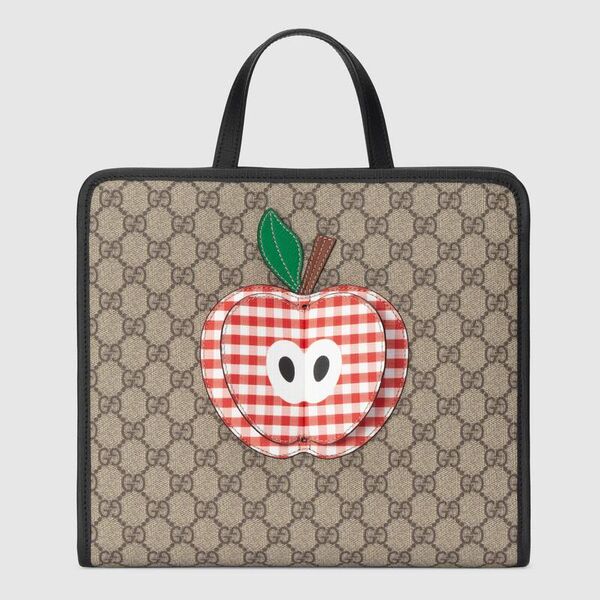
The first ever Gucci Tmall store was launched virtually in China on December 21st, alongside e-commerce giant Alibaba. In addition to a high-end e-commerce offering, Gucci will also launch a second e-retail beauty outlet in February in partnership with US-based company Coty.
Responding to a post-COVID boom in luxury sales -- a result of China's success in controlling the spread of coronavirus and its economic recovery -- Gucci is hoping to engage a growing online shopping market, described as "the most dynamic growth engine for Chinese luxury spending."
After hesitating to work with discount e-commerce platforms in the past due to instances of counterfeit inventory, Gucci is changing its retail strategy with a more pragmatic marketing approach, one that targets Chinese luxury consumers more organically and locally.
Image Credit: Bloomberg, Financial Times
Why This Trend Is Growing
- Luxury E-commerce
- The luxury industry should invest in E-commerce platforms to attract the growing online shopping market following the COVID-19 pandemic.
- Sustainable Luxury
- Luxury brands can enhance their brand value and appeal to eco-conscious customers by incorporating sustainable practices in the production process.
- Localized Luxury Marketing
- Luxury brands can target Chinese luxury consumers more organically and locally by utilizing more effective and localized marketing strategies.
Industries Being Reshaped
- Fashion Industry
- The fashion industry should invest in E-commerce platforms and develop more sustainable production processes to stay relevant and appeal to eco-conscious customers.
- Beauty Industry
- The beauty industry can attract more customers by partnering with luxury retailers and incorporating sustainable practices in their production process.
- Luxury Retail Industry
- The luxury retail industry has an opportunity to expand its customer base by utilizing more effective and localized marketing strategies to target Chinese luxury consumers.