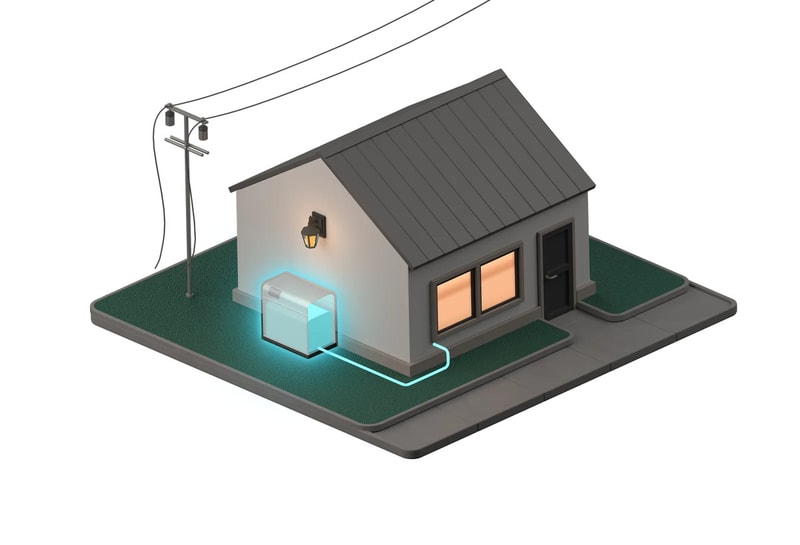
Grid-connected home batteries are reshaping residential energy by turning home storage systems into active participants in the electricity grid rather than simple backup power sources. Companies like Base Power install batteries that lower household electricity costs by drawing on stored energy during periods of peak demand while also providing whole-home backup during outages. This model helps homeowners save on monthly bills while supporting a more balanced and resilient power network.
For energy providers, this creates a scalable distributed energy resource that reduces grid strain without requiring major infrastructure expansion. Utilities can better manage peak demand, improve system reliability and integrate more renewable energy as battery fleets respond to changing electricity needs. As energy prices continue to rise, subscription-based battery programs offer a compelling alternative to traditional utility models, creating recurring revenue opportunities while giving consumers greater control over energy costs, reliability and household resilience.
Image Credit: Base Power
Key Themes Behind This Trend
- Grid-interactive Homes
- Residential batteries are turning households into flexible energy assets that can reduce peak demand, stabilize local grids and create new value beyond backup power.
- Subscription Energy Storage
- Recurring battery service models are lowering upfront adoption barriers while reshaping home energy into an ongoing managed service with predictable savings and resilience benefits.
- Distributed Battery Fleets
- Networked home storage systems are emerging as virtual grid infrastructure, enabling utilities to balance demand and integrate renewables without relying solely on centralized upgrades.
Where This Applies
- Residential Energy
- Home energy providers are gaining room to bundle savings, backup power and grid participation into differentiated services for cost-conscious households.
- Utilities
- Electric utilities can use aggregated residential batteries as distributed resources that improve reliability, reduce peak-load pressure and support renewable power integration.
- Clean Technology
- Battery, software and energy management companies are positioned to develop platforms that coordinate household storage across markets, homes and grid conditions.