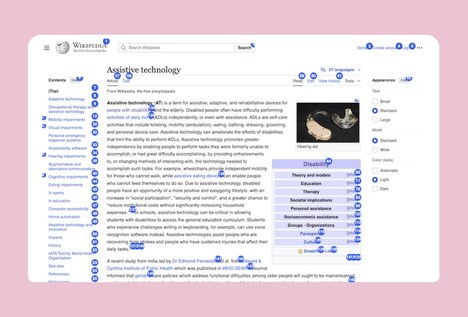
Although it might not seem like a serious deficiency, color blindness plagues a significant percentage of the population, which is why the Google Chrome ReColor project is so important. It is a program that will result in customized settings, allowing color blind individuals to adjust the hues on their screen so they can see all content being presented to them.
Developed by Animesh Tripathi, a 17-year-old high school student in India,, the Google Chrome ReColor project is based on an algorithm that will make switching the color as easy a clicking a button. Tripathi states, "One of the key elements of responsible design is making an experience inclusive of all types of audiences and thus it’s essential for computer experiences to cater to color-blind people." It was inspired by a friend's issue with color blindness.
What Makes This Trend Stand Out
- Customized Color Settings
- Developing customized color settings will enhance user experience for persons with color blindness.
- Accessibility Technology
- Developing innovation accessibility technology will cater for diverse audiences, including people with disabilities such as color blindness.
- Algorithmic Solutions
- Creating algorithmic solutions to physical disabilities such as color blindness will benefit a significant percentage of the population.
Sectors Adopting This
- Tech Industry
- The Tech Industry is responsible for developing technologies that cater to diverse audiences including people with disabilities such as color blindness.
- Healthcare Industry
- The Healthcare Industry can benefit from accessibility technology by enhancing digital patient records and medical devices to better cater to color blindness.
- Education Industry
- The Education Industry can utilize customized color settings to create content that is inclusive for students with color blindness and other disabilities.