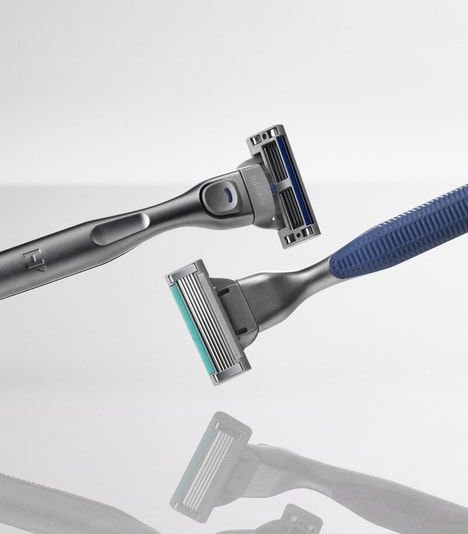


For those with mobility issues, tasks like shaving can pose a major issue, which is why the Gilette TREO was created, offering a simplified and safer means of completing the task for those who need assistance.
The act of shaving someone else is a common part of a caretaker's job, but between the sharp razors and tricky positioning, achieving a close shave can be a daunting task. The TREO was designed with this process in mind, serving as the first razor created to be held by someone else's hand. The razor, which offers a high-quality shave to those who require assistance, gives caretakers the ergonomic comfort they require to confidently provide a close shave.
What Makes This Trend Stand Out
- Inclusive Assistive Technology
- The development of innovative products and services that improve the quality of life for individuals with disabilities or mobility issues, such as the Gillette TREO razor.
- Ergonomic Design for Caretakers
- Companies will invest in designing products that prioritize the comfort and safety of caretakers, who play an essential role in assisting individuals with disabilities.
- Collaboration Between Healthcare and Consumer Goods Industries
- There is potential for cross-industry collaboration between healthcare providers and consumer goods companies to develop and market products that meet the needs of individuals with disabilities or mobility issues.
Sectors Adopting This
- Medical Devices
- Medical device companies can explore opportunities to develop assistive devices, like the TREO, that provide solutions for people with disabilities or mobility issues.
- Consumer Goods
- Consumer goods companies can prioritize the development of products that are inclusive and serve the needs of individuals with disabilities or mobility issues, which is an untapped market.
- Healthcare Services
- Healthcare providers can work with consumer goods companies to create innovative solutions and provide the necessary resources for individuals with disabilities or mobility issues.