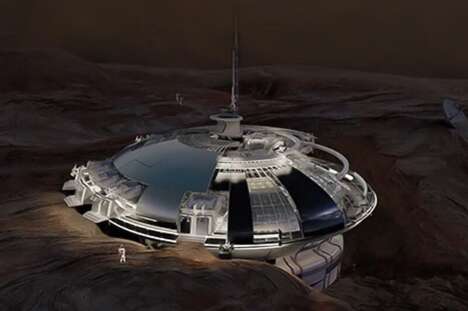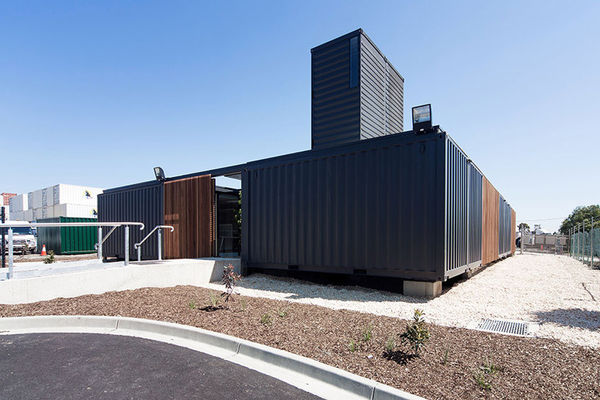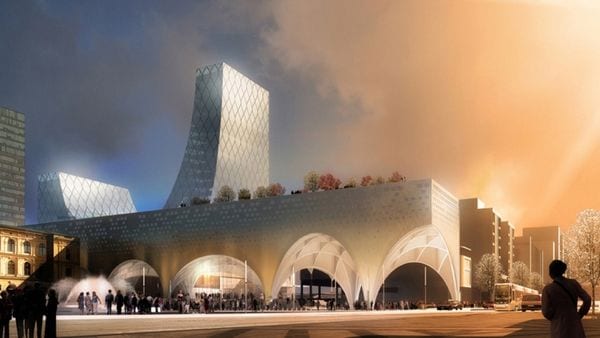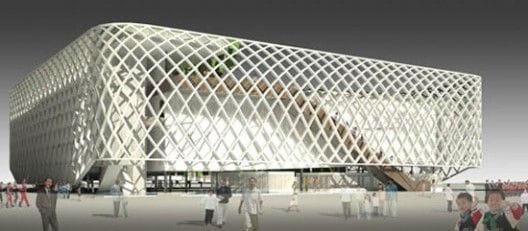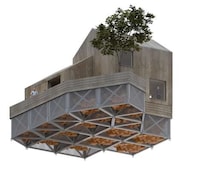
Waste disposal is a major issue internationally that designer Paul Chan suggests we combat by rethinking urban and offshore infrastructure. His GeoBasin concept proposes a new way to form productive landfills that can become the new sites of major building projects.
Through an imaginative process of integrating man-made material with the natural environment, the construction industry would be encouraged to reuse old structural components on-site for new buildings. Such a practice would see a gradual evolution of the setting, in terms of strategically assembled parts and the way that organic surroundings react. The intention behind a GeoBasin project would be to improvise with native plants, allowing them to grow and thrive and eventually turn these dynamic edifices into varied and ever-changing ecosystems of vegetative, animal and human activity.
Why This Trend Is Growing
- Sustainable Landfill Design
- Designing eco-friendly landfills that can be repurposed for future building projects by combining man-made materials with the natural environment.
- Circular Construction
- Encouraging the construction industry to reuse old structural components on-site for new buildings to reduce waste and carbon footprint.
- Ecological Architecture
- Creating architecture that improvises with native plants, allowing them to grow and thrive, resulting in varied and ever-changing ecosystems of vegetative, animal and human activity.
Industries Being Reshaped
- Construction
- The construction industry can leverage these trends to reduce its carbon footprint and improve sustainable practices and circularity.
- Waste Management
- These trends provide an opportunity for the waste management industry to collaborate with the construction industry to reduce waste while creating more productive and sustainable landfills.
- Architecture
- Architects and designers can use these trends to create more responsible and ecologically sound designs that can improve the environment and living spaces.