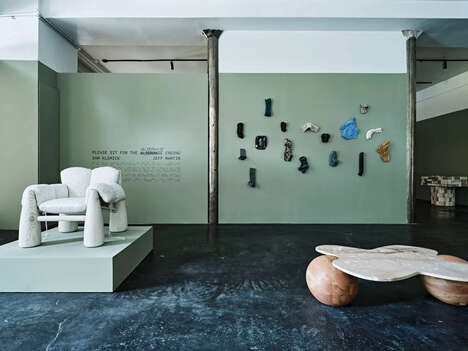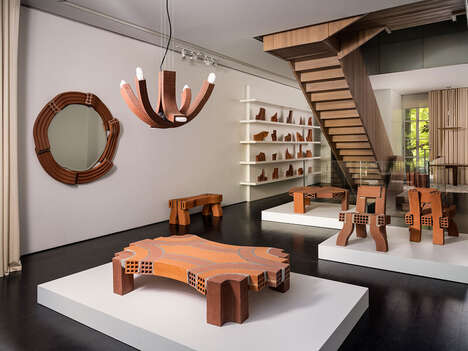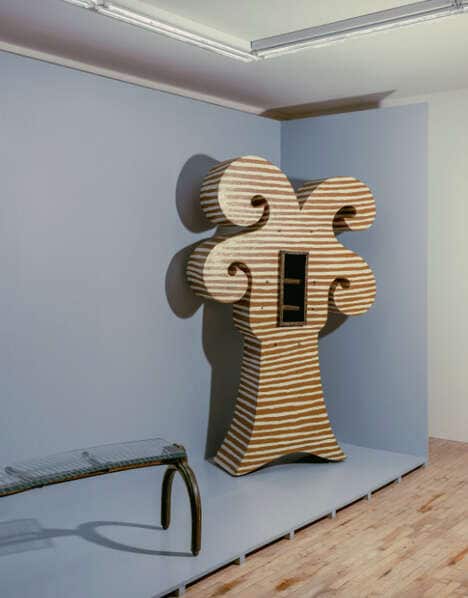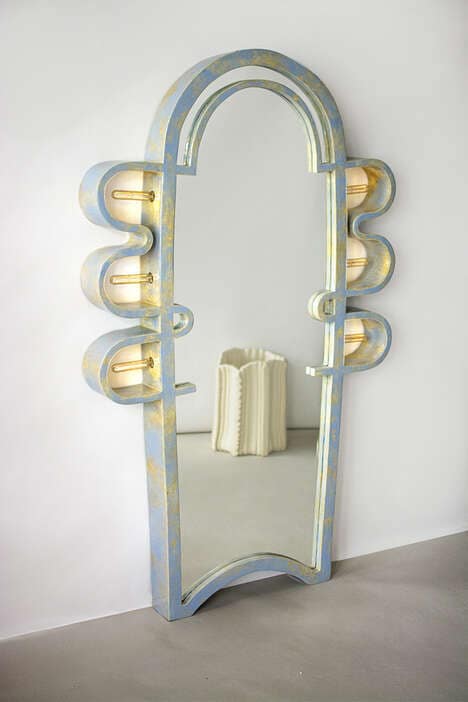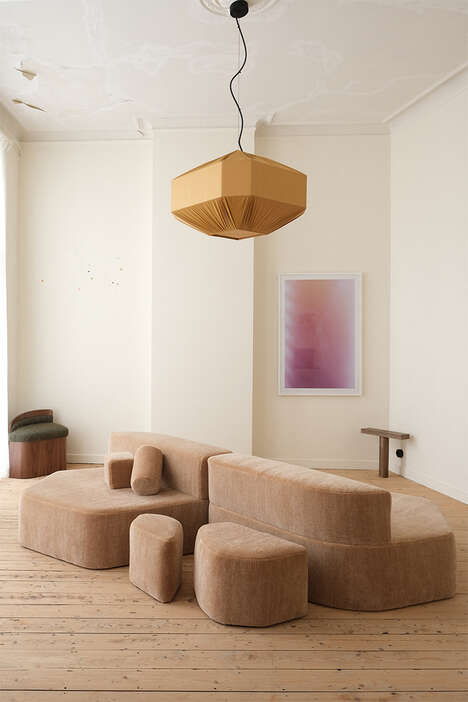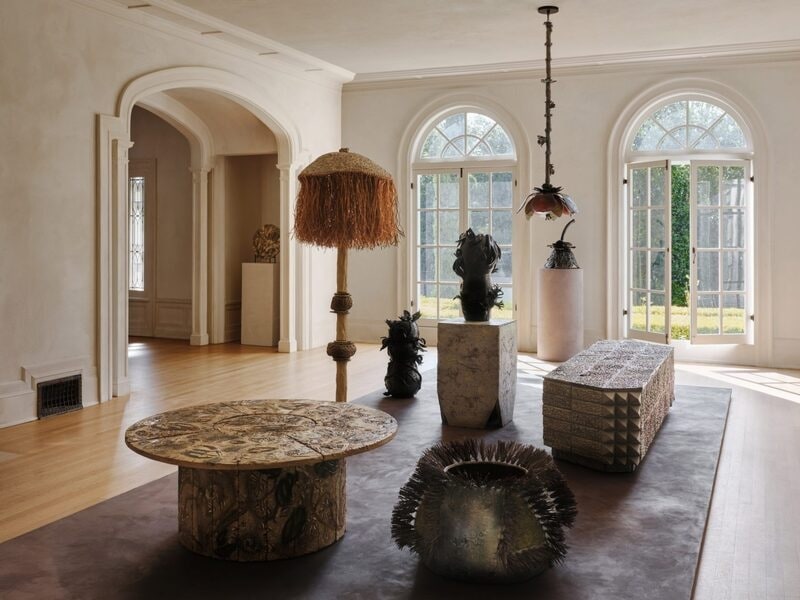
Furniture designer Ben Willet highlights furniture that was originally designed for family homes that were lost in wildfires with the Future Perfect exhibit. He originally created the pieces for his home, which was entirely destroyed by the wildfires. He showed versions of the designs at the exhibition in Hollywood.
Willett shared more about the design with Dezeen, "Most of my works were lost in the fires so I only had these few pieces that were living in my showroom to choose from. So, in a way, the fires sort of forced my hand with what I chose to present. Luckily the ones that survived are all staples that I deeply love; core to my collection."
Image Credit: Elizabeth Carababas
Key Themes Behind This Trend
- Sustainable Salvage Design
- Furniture made from materials salvaged from disaster-stricken areas offers an innovative approach to sustainable design, turning tragedy into industry resilience.
- Emotional Resilience in Design
- Designing furniture with a focus on emotional sustainability addresses the growing consumer desire for products that foster personal and emotional connections amid adversity.
- Disaster-responsive Design
- Developing furniture and other home goods that are specifically crafted to withstand natural disasters represents a burgeoning trend in proactive and resilient design.
Where This Applies
- Home Furnishings
- The home furnishings industry can explore new design paradigms by incorporating emotional and sustainable narratives into their collections, appealing to post-disaster recovery markets.
- Sustainable Materials
- Focusing on sustainable material innovation allows industries to repurpose and reimagine products derived from disaster-impacted resources, paving the way for eco-conscious growth.
- Exhibit Design and Curation
- Exhibit design industries have the opportunity to showcase progressive and resilient designs, transforming exhibitions into platforms for highlighting adaptive and sustainable innovations.