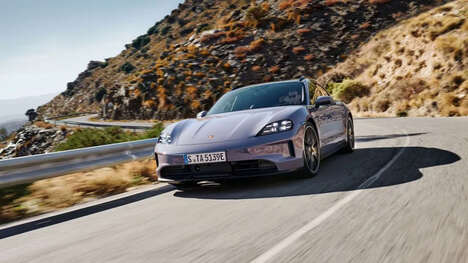
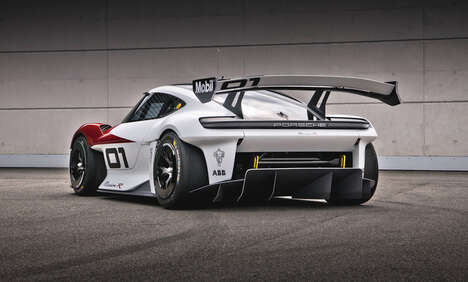
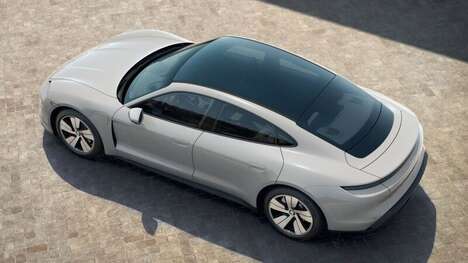
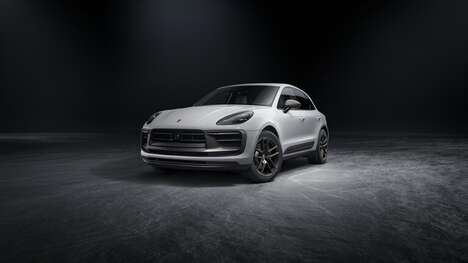
Porsche indicated that it has been working on a four-motor powertrain, which is intended to increase the control of Porsche's electric SUVs. The four-motor powertrain is able to shift power to where the car needs it to maintain control. This could help drivers navigate difficult conditions as well as take curves at higher speeds. The system is able to transition power within a few milliseconds. This allows electric SUVs to have a better slip differential than gas-powered models.
It appears that Porsche is attempting to leverage the potential for enhanced control that electric SUVs could offer. Additionally, if Porsche's EVs could offer performance benefits, then consumers may be more inclined to purchase electric vehicles from the brand.
Image Credit: Porsche
What's Driving This Trend
- Four-motor Powertrain
- The development of four-motor powertrain technology presents an opportunity for enhanced control in electric SUVs and other vehicles.
- Increased Control in Electric Suvs
- The focus on increasing control in electric SUVs through advanced powertrain technology opens up possibilities for safer and more efficient driving experiences.
- Improved Handling for Electric Vehicles
- By optimizing power distribution and slip differential, electric SUVs can offer improved handling capabilities compared to their traditional counterparts.
Who This Affects Most
- Automotive
- Automakers can explore the integration of four-motor powertrain technology to enhance control and performance in electric vehicles.
- Electric Vehicles
- The advancements in powertrain technology for electric SUVs could drive greater adoption of electric vehicles in the automotive industry.
- Performance and Sports Cars
- The improved handling and control offered by four-motor powertrain technology has the potential to disrupt the performance and sports car market.