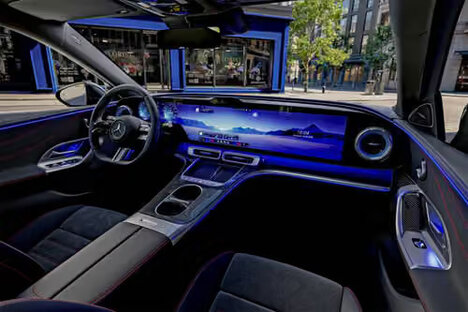
The Ford Fathom is the first production model built on the company's Universal EV Platform. The midsize electric pickup starts at $28,350 before destination charges and comes standard with a high-resolution touchscreen, BlueCruise hands-free highway driving, digital key support, embedded Apple Maps, and bi-directional power capability. Ford says the truck also provides passenger space greater than a Toyota RAV4 while incorporating both a front trunk and a rear cargo bed.
Positioned between the Ranger and Maverick in size, the pickup introduces a more accessible entry into Ford's electric truck lineup. Full design details have yet to be revealed, though the company has confirmed pre-orders will begin in early 2027 ahead of customer deliveries later that year.
Image Credit: Ford
What's Driving This Trend
- Affordable Electric Pickups
- Lower-priced midsize EV trucks expand electrification beyond premium buyers and create openings for value-focused features, financing models, and fleet-ready configurations.
- Universal EV Platforms
- Shared electric vehicle architectures reduce development complexity while enabling brands to scale multiple body styles with faster production timelines and lower costs.
- Bidirectional Vehicle Power
- Electric pickups with onboard power export capabilities introduce new possibilities for home backup, jobsite energy, and mobile utility services.
Who This Affects Most
- Automotive Manufacturing
- Mass-market electric truck production reshapes competitive dynamics as legacy automakers seek cost-efficient platforms that can support broader consumer adoption.
- Charging Infrastructure
- More accessible electric pickups increase demand for residential, workplace, and highway charging networks tailored to larger battery vehicles and utility use cases.
- Fleet Management
- Affordable electric pickups create a practical pathway for contractors, municipalities, and small businesses to electrify operations while maintaining cargo and passenger flexibility.