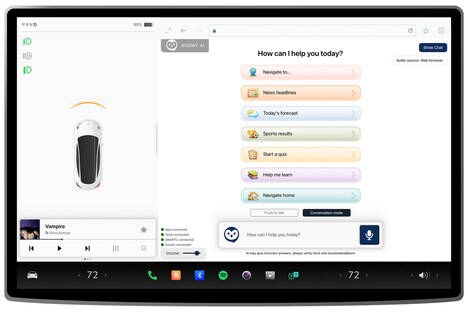
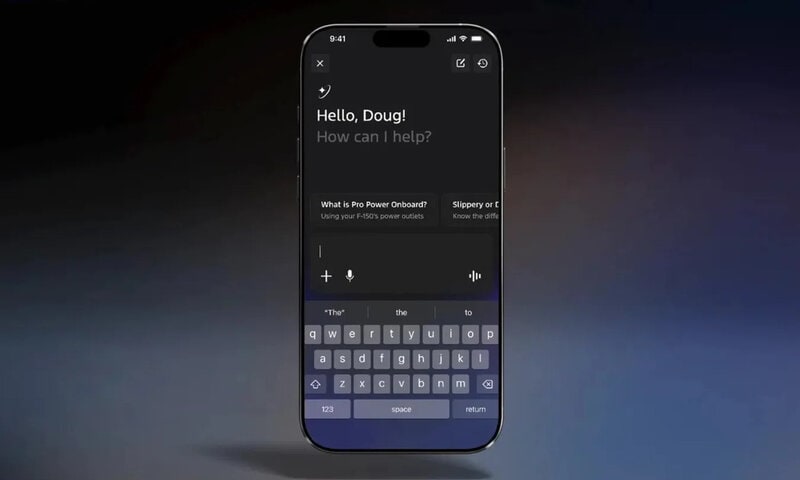
This new Ford AI assistant has been developed by the automotive brand to help drivers gain more insight into how their vehicle works and offer support for everyday questions.
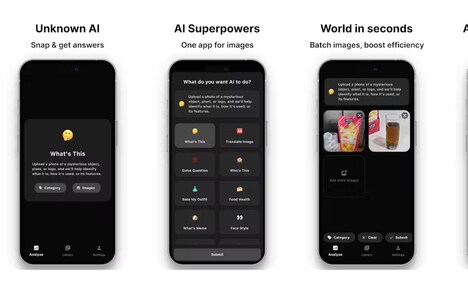
The artificial intelligence (AI) assistant is rolling out now via the Ford and Lincoln apps where drivers can interact with it like a general chatbot on a number of topics. This could include getting insight into how much cargo space is available, real-time data about the vehicle like oil life and more. The chatbot will even allow users to submit photos to be offered an answer based on visual intelligence.
The new Ford AI assistant also offers drivers the ability to get insight into what certain warning lights on their dashboard mean.
Key Themes Behind This Trend
- Vehicle-specific Chatbots
- Automotive brands are embedding AI assistants into ownership apps, creating space for personalized support ecosystems that reduce reliance on manuals, service calls, and dealership visits.
- Visual Vehicle Diagnostics
- Photo-based AI interpretation gives drivers faster explanations of dashboard symbols, components, and issues, opening new possibilities for remote troubleshooting and predictive maintenance.
- Connected Ownership Intelligence
- Real-time vehicle data paired with conversational interfaces transforms routine car management into a more intuitive experience built around contextual insights and usage patterns.
Where This Applies
- Automotive
- AI-powered ownership tools are reshaping how manufacturers maintain customer relationships after purchase through app-based guidance, diagnostics, and education.
- Mobility Software
- Conversational and visual intelligence platforms are becoming core layers in connected mobility services as vehicles generate more personalized operational data.
- Aftermarket Services
- Instant AI explanations for maintenance needs and warning indicators could alter demand for traditional support channels by guiding consumers before repairs are required.