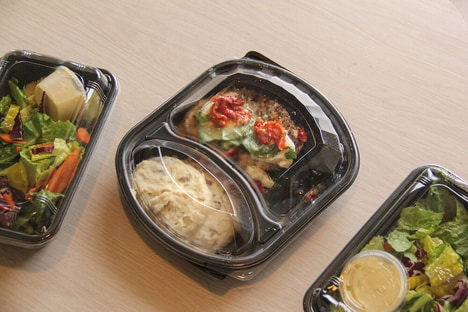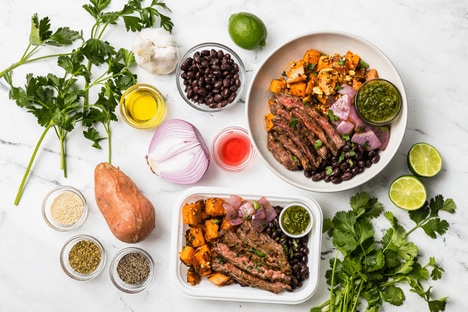
Foodsmart is introducing Food-is-Medicine Benefits Management, a program designed to give health plans greater clinical and financial oversight of nutrition benefits. The system matches at-risk members with medically tailored food vendors based on clinical, cultural, and access needs, while registered dietitians determine appropriate levels of support. It also documents outcomes, utilization, and authorization status while helping members transition toward digital tools, SNAP, WIC, and community resources when appropriate.
The model shifts food benefits from open-ended spending toward a structured form of care with measurable goals and defined pathways. For health plans, this approach can make nutrition spending easier to evaluate, document, and justify while reducing administrative demands. Foodsmart can also strengthen its role within the healthcare ecosystem by combining dietitian services, vendor management, and reporting within one platform. This creates a scalable offering for Medicaid, Medicare Advantage, commercial plans, and employers seeking greater accountability from food-based health programs.
Image Credit: Foodsmart
What Makes This Trend Stand Out
- Managed Nutrition Benefits
- Structured food support is becoming a measurable healthcare service, creating space for platforms that combine eligibility, authorization, outcomes tracking, and vendor coordination.
- Food-as-care Integration
- Nutrition programs tied to clinical oversight can reshape preventive care models by linking medically tailored meals with dietitian guidance and health plan accountability.
- Outcome-based Social Benefits
- Benefit programs that document utilization and health impact introduce new models for proving the value of social interventions within insurance ecosystems.
Sectors Adopting This
- Health Insurance
- Payers gain new pathways to manage nutrition spending with clinical criteria, measurable outcomes, and clearer justification for food-based benefits.
- Digital Health
- Platforms that integrate care navigation, dietitian support, and benefits administration can become central infrastructure for scalable food-is-medicine programs.
- Medically Tailored Food
- Food vendors serving clinical populations may differentiate through culturally relevant offerings, data reporting, and alignment with health plan performance requirements.