Mom's Meals, a national provider of nutrition solutions for healthcare programs, has published a white paper titled 'Food as Medicine at Scale: Targeted Nutrition Interventions to Improve Outcomes and Reduce Total Cost of Care.' This study examines how nutritional interventions can move beyond small-scale pilot projects to become an integrated component of mainstream healthcare delivery.
Drawing on over 25 years of operational experience, Mom's Meals' document explores which populations benefit most from these interventions, the role of medically tailored meals and complementary supports like produce boxes and nutrition counselling, and the necessary infrastructure and implementation strategies required for consistent execution across diverse regions. The 'Food as Medicine at Scale' white paper also discusses emerging policy opportunities within Medicaid, Medicare Advantage, and other federal and state initiatives that are expanding access to nutrition as a clinical tool.
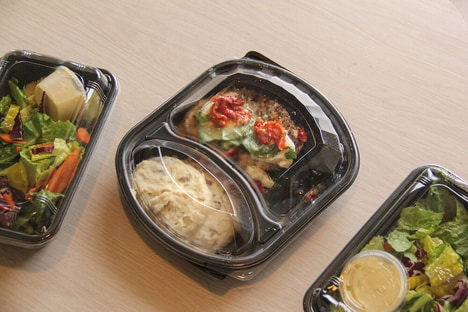
Image Credit: Mom's Meals
Why This Trend Is Growing
- Scaled Food-as-medicine
- Healthcare systems are treating nutrition programs as clinical infrastructure, creating space for standardized meal interventions that can improve outcomes while lowering care costs.
- Medically Tailored Meals
- Condition-specific meal delivery is becoming a precision health service, with opportunities for data-driven personalization across chronic disease management and post-discharge care.
- Nutrition Benefit Expansion
- Policy shifts in Medicaid and Medicare Advantage are widening access to reimbursed nutrition supports, enabling new service models that connect care plans, providers, and food vendors.
Industries Being Reshaped
- Healthcare Services
- Clinical providers are incorporating food-based interventions into care pathways, opening new models for preventive treatment and population health management.
- Meal Delivery
- Prepared meal companies are moving into regulated healthcare partnerships, where compliance, personalization, and regional fulfillment become key sources of differentiation.
- Health Insurance
- Payers are using nutrition programs as cost-containment tools, supporting benefit designs that link targeted food access with measurable medical outcomes.