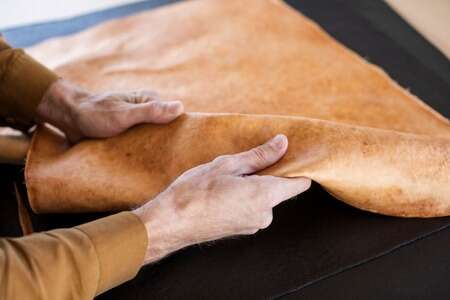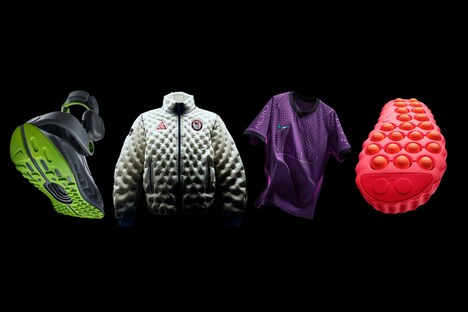
Nike's newly developed Flyleather has been a long time coming, and is now available a few years after the brands' other innovative material release in the form of the Flyknit.
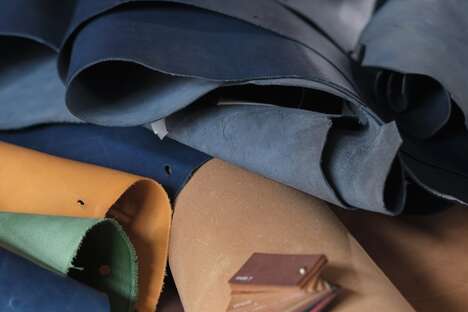
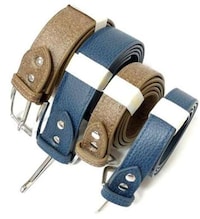
The Flyleather material is modeled after the Flyknit, and offers a sustainable leather alternative that is made from combined "leather scraps and polyester blend fibers". Made from the leftover and normally unusable materials that most leather-makers discard, this innovative material is much more sustainable than traditional leather. The process of creating it includes grinding those materials into a fine dust, and then combining that dust with polyester fabric and water to make a paste, which is then bonded together to create Flyleather.
This sustainable leather material is a manifestation of Nike's goal to reduce its environmental impact, and reveals the brand's ongoing commitment to the cause of environmental protection.
Key Themes Behind This Trend
- Sustainable Leather Alternatives
- Nike's Flyleather material offers a sustainable alternative to traditional leather, using discarded scraps and polyester fibers.
- Circular Economy in Fashion
- Nike's Flyleather material demonstrates the potential for using waste materials to create new products, promoting a circular economy in the fashion industry.
- Environmental Responsibility
- Nike's development of Flyleather highlights the brand's commitment to reducing its environmental impact and promoting sustainable practices.
Where This Applies
- Fashion and Apparel
- The fashion and apparel industry can explore the use of sustainable leather alternatives like Flyleather to reduce their environmental footprint and meet consumer demand for eco-friendly products.
- Sporting Goods
- The sporting goods industry can incorporate Nike's Flyleather material into their products, offering customers a sustainable and innovative option for athletic gear and footwear.
- Material Manufacturing
- Companies in the material manufacturing industry can look to adopt a similar approach to Nike's Flyleather, using waste materials to create new and sustainable products.