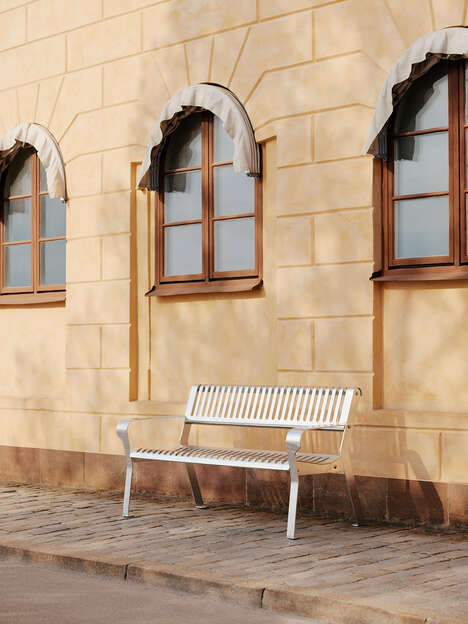

Swedish steelmaker SSAB has entered into a long-term agreement with UK-based Firth Steels to supply steel'>SSAB Zero steel, a new recycled material that aims to improve performance and reduce carbon emissions. SSAB Zero steel will serve as a cornerstone of Firth Steels' newly introduced Protex Voyage product line.
"Scope 3 emissions make up the largest part of our carbon footprint. By forming strategic partnerships with the world’s leading mills, we can significantly reduce these emissions and create a sustainable future for the planet from the start, rather than through offsets," said James Firth, Managing Director of Firth Steels Limited.
As regulatory pressures and consumer demand for sustainable products increase, the use of SSAB Zero steel in the Protex Voyage line positions Firth Steels as a leader in sustainable construction solutions.
Image Credit: T. Schneider
What's Driving This Trend
- Recycled-steel Innovation
- The partnership between SSAB and Firth Steels highlights the growing market for innovative recycled materials in building construction.
- Sustainable Construction Solutions
- Adopting products like SSAB Zero steel reflects the increasing demand for construction practices that focus on reducing carbon footprints.
- Scope 3 Emission Reduction
- Reducing Scope 3 emissions through material innovation offers a new paradigm for companies aiming to meet stringent environmental regulations.
Who This Affects Most
- Construction
- The construction industry is rapidly integrating eco-friendly materials to enhance sustainability and meet regulatory standards.
- Steel Manufacturing
- Steel manufacturers are exploring recycled content to create sustainable products and reduce their overall carbon emissions.
- Environmental Consultancy
- Environmental consultants are gaining importance as businesses seek specialized expertise to develop and implement sustainable practices.