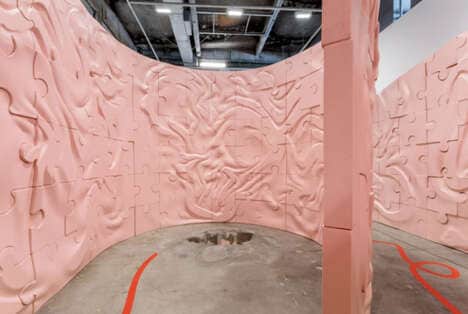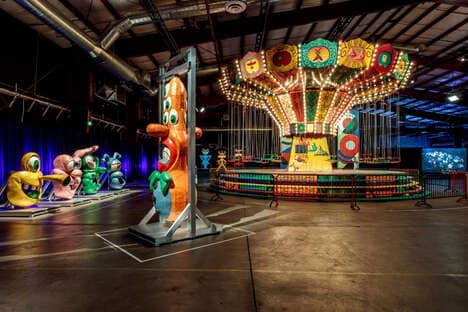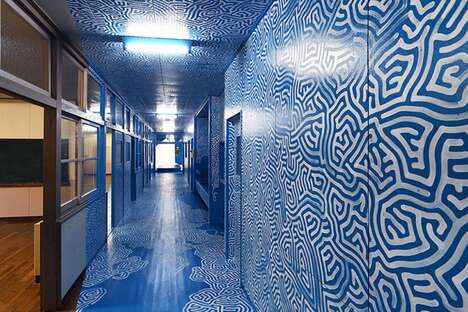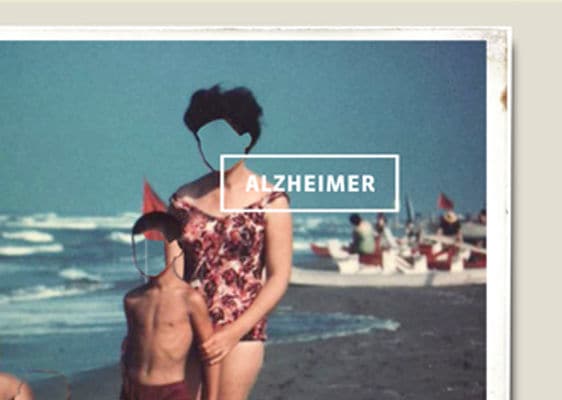

A.R. Hopwood has curated a collection of photographs, video, and accounts of false memories for his exhibit The False Memory Archive at the Freud Museum. In other words, this exhibit is a collection of memories that people have that didn’t actually happen. The memories are either distorted or completely made up; either way, they’re enthralling.
For instance, Hopwood recounts thoroughly enjoying weekends with his father as a child while his mother informs him that he hated going. Another memory Hopwood had involved a car crash with his father; however, it turns out that he wasn’t actually there. He had just heard about it so much, his mind created a memory to go along with story.
The False Memory Archive delves into a fascinating neurological phenomenon that colors our identity, life experience, and perception. Of the collection, Hopwood states, “I like the fact that you have a representation of someone that is based purely on a ‘non-memory,’ on something that didn’t actually happen.” People can contribute to this false-memory bank online through the projects website.
What's Driving This Trend
- False Memory Phenomenon
- Explore the concept of false memories through interactive exhibits and installations, unlocking new research opportunities in neuroscience and psychology.
- Memory Reconstruction
- Develop new technologies that can reconstruct memories based on imaginative and distorted sources, creating new tools for memory analysis and treatment.
- Artificial Memory Creation
- Investigate the potential of creating artificial memories that can be used to treat cognitive disorders or as a form of creative expression.
Who This Affects Most
- Museum and Galleries
- Incorporate interactive and immersive installations that use emerging technologies to explore the complexities of human memory, creating new educational and entertainment opportunities for visitors.
- Neuroscience and Psychology
- Leverage the concept of false memories to design new studies and research methods that can deepen our understanding of the brain and cognitive processes.
- Entertainment and Media
- Develop new interactive platforms and technologies that can simulate and reconstruct memories, offering consumers new ways to engage with media and explore their own identity.