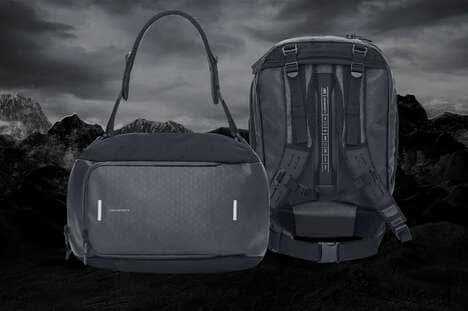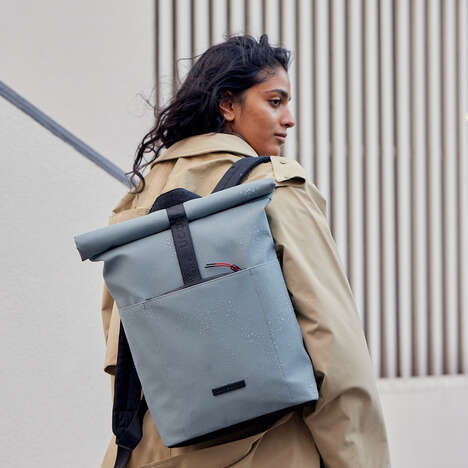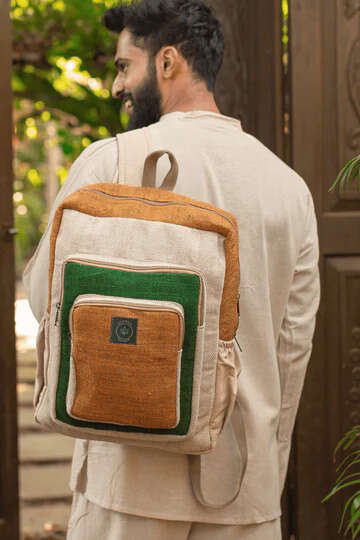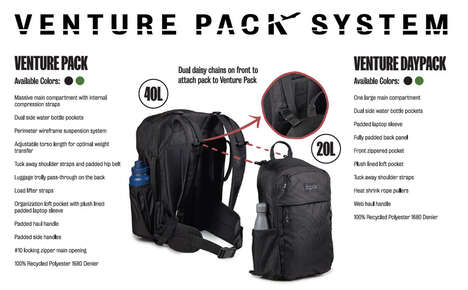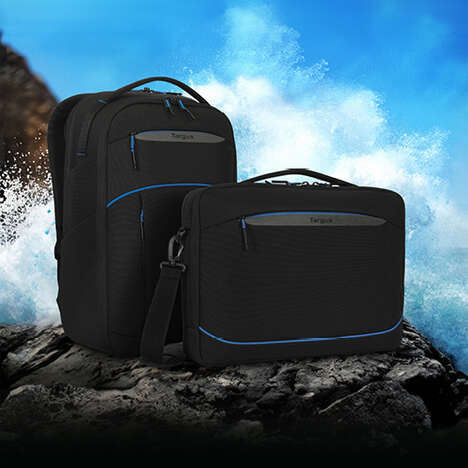


JanSport's Recycled SuperBreak is its first backpack made with 100% recycled fabric. Each Recycled SuperBreak contains the equivalent of 20 plastic water bottles worth of recycled plastic and uses 900 Denier Polyester CORDURA eco-friendly fabrics made of post-consumer waste like plastic water and soda bottles.
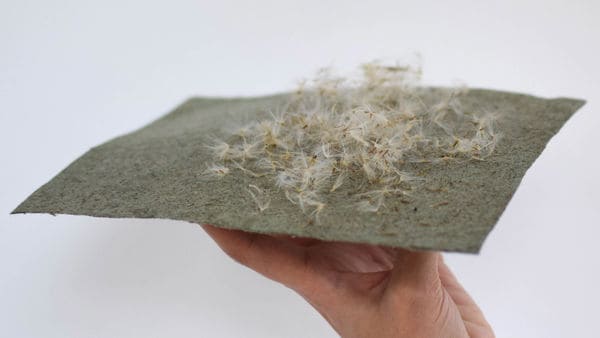
As well as working with materials that are already in circulation, JanSport manufactures its Recycled SuperBreak style with renewable energy from a solar power system, the fabric is produced with a solvent-free coating and the product is sold with hangtags made with 60% recycled paper. Notably, the traditional foam used in the back panel and straps of every JanSport pack was removed to make the Recycled SuperBreak fully packable.
Image Credit: JanSport
What Makes This Trend Stand Out
- Sustainable Fashion
- Creating products using 100% recycled fabric and sustainable manufacturing processes presents an opportunity for disruptive innovation in the fashion industry.
- Circular Economy
- Integrating post-consumer waste materials into product design, such as plastic water bottles, can drive disruptive innovation in the sustainability and recycling sectors.
- Renewable Energy Integration
- Using renewable energy sources like solar power to manufacture products can open up disruptive innovation opportunities in the renewable energy and manufacturing industries.
Sectors Adopting This
- Fashion
- Incorporating 100% recycled fabric and sustainable manufacturing processes into fashion products can disrupt the industry by appealing to eco-conscious consumers.
- Sustainability
- Leveraging post-consumer waste materials and promoting circular economy practices can drive disruptive innovation in the sustainability sector.
- Renewable Energy
- Integrating renewable energy sources like solar power into manufacturing processes can lead to disruptive innovation in the renewable energy industry.