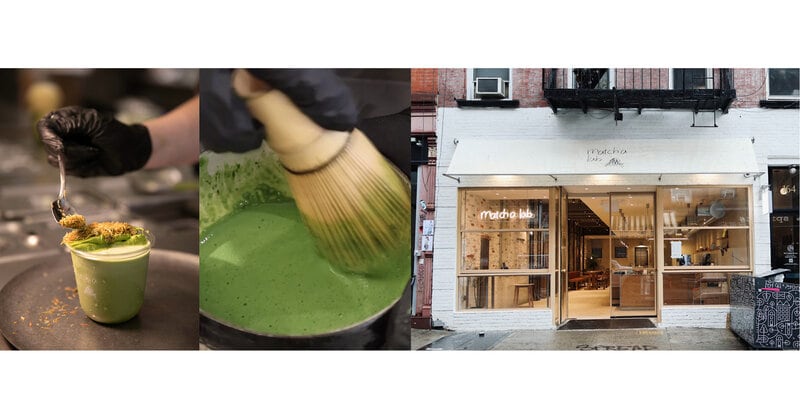
Experimental matcha cafes are transforming specialty tea experiences, with Heytea opening its first matcha lab on New York City's Lower East Side. The concept dedicates an entire location to exploring matcha through traditional preparation methods, creative beverages, and interactive activities, offering customers a more immersive way to experience the ingredient.
The menu features ceremonial-grade matcha from China and Japan, hand-whisked at three intensity levels. Customers can explore creations such as Pistachio Matcha Dirty, Frozen Yuzu Matcha, and matcha gelato available in four strengths. An antique Japanese stone mill also allows visitors to experience traditional tea grinding firsthand.
For Heytea, the specialized format creates opportunities to differentiate its retail locations and attract consumers seeking distinctive beverage experiences. Combining cultural education with experimental menu offerings could strengthen customer engagement while supporting the brand's continued expansion across international markets.
Image Credit: Heytea
Key Themes Behind This Trend
- Immersive Tea Retail
- Specialty beverage spaces are evolving into sensory destinations where cultural storytelling, hands-on preparation, and ingredient discovery create deeper consumer engagement beyond standard cafe service.
- Single-ingredient Labs
- Focused retail concepts centered on one premium ingredient offer brands a platform for menu experimentation, education, and stronger differentiation in crowded foodservice markets.
- Craft Matcha Customization
- Adjustable intensity levels, ceremonial sourcing, and inventive flavor pairings reflect growing demand for personalized premium beverages that blend tradition with contemporary taste exploration.
Where This Applies
- Specialty Beverage
- The category is being reshaped by experiential formats that combine artisanal preparation with novelty-driven menus to attract consumers seeking memorable drink occasions.
- Foodservice Retail
- Dedicated concept stores provide a scalable model for brands to test niche formats, strengthen loyalty, and create destination-based traffic in competitive urban markets.
- Cultural Tourism
- Interactive elements such as traditional tea grinding and regional ingredient education position cafes as accessible cultural experiences within everyday hospitality environments.