At the 2019 Consumer Electronics Show in Las Vegas, Samsung debuted a range of robotic assistants and a line of exoskeleton concepts that are designed to support and help individuals walk. This is a huge development for older individuals who might have troubles getting around or individuals who are undergoing physiotherapy due to an injury.
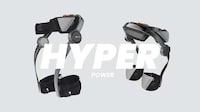
Samsung's exoskeleton concept extended itself to CES with the GEMS-H, GEMS-K, and GEMS-A, where GEMS stands for "Gait Enhancing Motivational System." With thoughtful differences in functionality, the products are all easy-to-wear and lightweight.
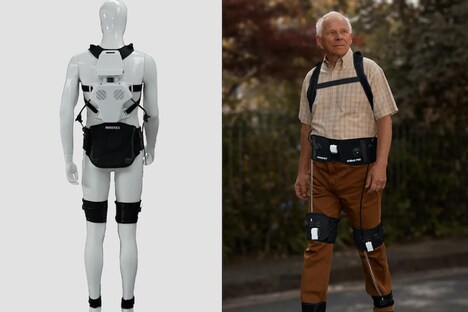
The GEMS-H hugs one's hips and upper thighs. As the "robotic elements of it are [intentionally] understated," individuals can simply walk with the assistance of one module strapped on each leg. The GEMS-K is a larger model in the exoskeleton concept line, with an extra supportive system, while GEMS-A is focused on the lower leg.
Photo Credits: Raul Marrero (Gizmodo)
Key Themes Behind This Trend
- Exoskeleton Rehabilitation
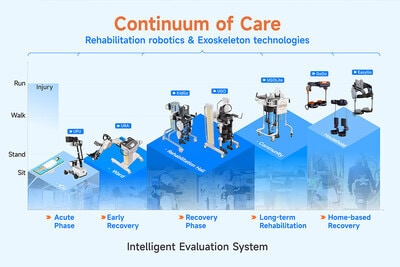
- There is an opportunity to further develop and advance exoskeleton technology to help individuals in their rehabilitation from injuries or illnesses, providing support and assistance to improve mobility and activities of daily living.
- Assistive Robotics
- Assistive robotic technology is a growing trend that has the potential to greatly improve the quality of life for elderly and disabled individuals by helping with mobility and enhancing their independence and self-reliance.
- Lightweight Wearable Robotics
- With a focus on developing lightweight and easy-to-use exoskeleton concepts, there is an opportunity to create impactful wearable robotics innovations that can help individuals with physical challenges just move around with ease.
Where This Applies
- Healthcare
- The healthcare industry can benefit from exoskeleton rehabilitation technology, which can be used both in clinical settings and at home by patients and caregivers, particularly for stroke victims, people with cerebral palsy, and individuals with spinal cord injuries.
- Elder Care
- The elder care industry can benefit from assistive robotics technology, which can provide support and assistance to help elderly individuals maintain their independence and quality of life.
- Sports and Fitness
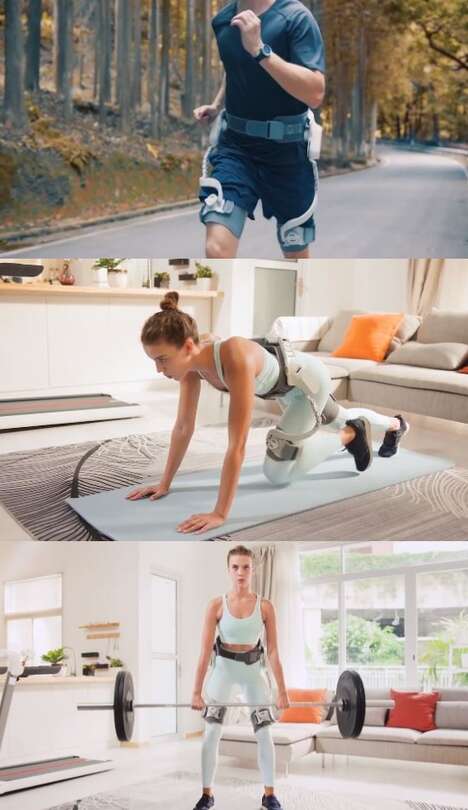
- The sports and fitness industry can benefit from the use of lightweight wearable robotics, especially in physical training for athletes, which can be helpful in recovery and rehabilitation, and improving overall athletic performance.