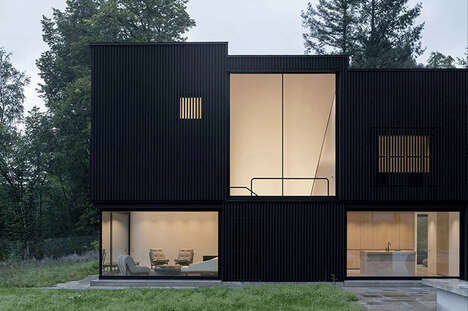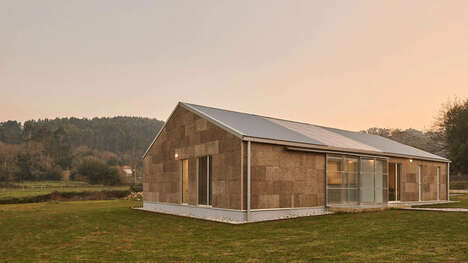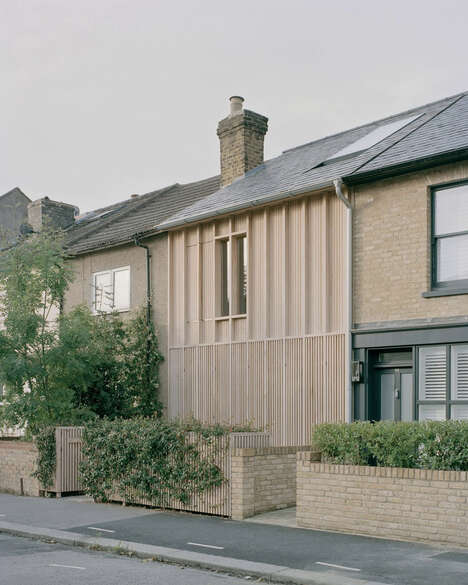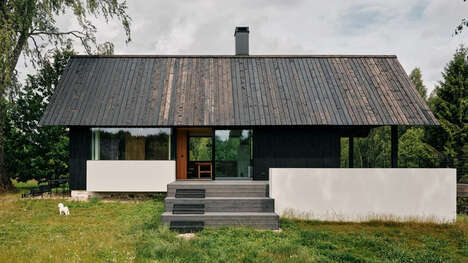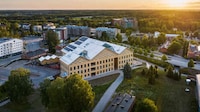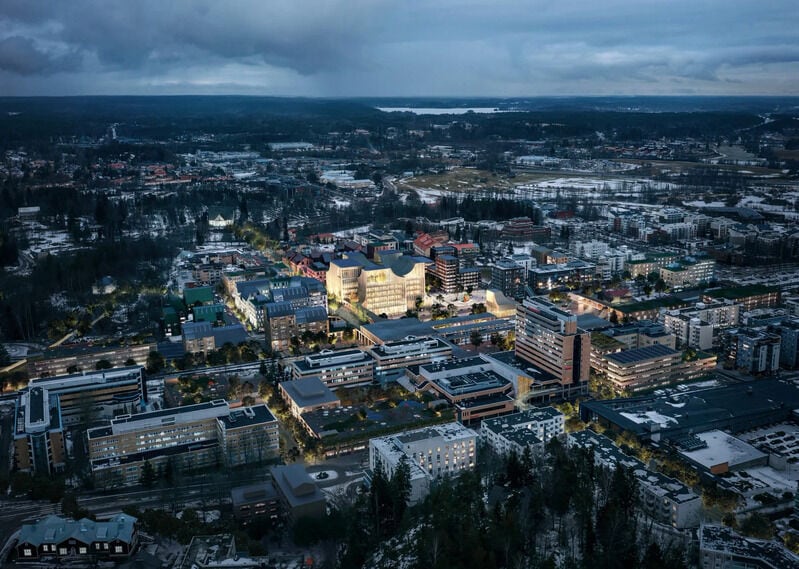
Design studios Cobe and Lundén Architecture Company work in collaboration to create the Espoo House located in Finland. It will be the building for the city administration of Espoo and wood will be the main material of focus during the entire construction process. The design is meant to honor the country's history of timber construction and will be the city's administration which will also be open to its residents. The use of wood reduces the overall carbon emissions as it has a much lower embodied carbon in comparison to other materials.
Founder of Cobe, Dan Stubbergaard explains the design project, noting that "Espoo House will be constructed primarily of wood; columns and beams of mass timber, slabs of CLT and a wooden clad facade, continuing Finland’s rich tradition of building in wood. Unlike historical, large-scale and formal city halls, we envision a human, social and tactile house for the people and an urban living room for community building.”
Image Credit: Lundén Architecture Company, Cobe
Why This Trend Is Growing
- Timber Construction
- Opportunity for the development of sustainable and eco-friendly construction practices using wood as the main material.
- Human-centric Design
- Potential for creating buildings and spaces that prioritize the well-being and needs of people, promoting community building and social connections.
- Reduction of Carbon Emissions
- Possibility to leverage wood's lower embodied carbon to reduce the overall environmental impact of construction projects.
Industries Being Reshaped
- Architecture
- Innovations in architectural design and construction techniques that emphasize timber as a sustainable building material.
- Construction
- Opportunities for incorporating timber construction methods and sustainable practices into the construction industry.
- Urban Development
- Potential for creating sustainable and community-focused urban spaces through the use of timber construction and human-centric design.