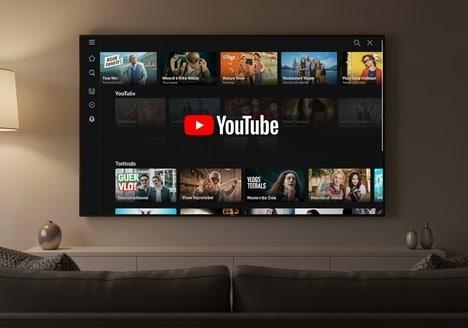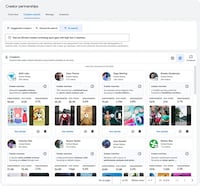

YouTube is restructuring its engagement-based creator monetization model to reward active creators while expanding revenue opportunities beyond traditional advertising. Beginning February 1, 2027, creators will need 10 million qualified Shorts views within 90 days to receive Shorts ad and subscription revenue sharing. YouTube is also expanding Premium Lite globally, creating a dedicated subscription revenue pool that distributes earnings based on member watch time and views. Additional programs will offer bonuses tied to YouTube Shopping, brand deals, trend creation, and other performance milestones.
From a business perspective, these changes give YouTube more ways to encourage consistent content creation and deeper audience engagement while supporting multiple creator business models. Higher entry requirements could concentrate advertising revenue among stronger-performing channels, while alternative incentives give emerging creators additional ways to monetize. The strategy could ultimately strengthen YouTube's creator ecosystem while increasing the value of subscriptions, commerce, and branded partnerships.
Image Credit: YouTube
What Makes This Trend Stand Out
- Engagement-tiered Monetization
- Platform revenue systems increasingly favor creators who generate sustained watch time and repeat interaction, creating openings for analytics tools that help talent optimize consistency, retention, and audience depth.
- Subscription-funded Creator Pools
- Dedicated subscription revenue pools are reshaping creator payouts around member consumption, highlighting potential for transparent attribution models and premium content strategies beyond ad dependency.
- Performance-based Creator Incentives
- Bonuses tied to shopping, brand activity, and trend creation broaden monetization pathways, suggesting new value in marketplaces that connect creators with measurable commercial outcomes.
Sectors Adopting This
- Creator Economy
- Evolving payout thresholds and diversified incentives are redefining creator career paths, with room for services that support monetization planning, content operations, and audience growth.
- Digital Advertising
- Greater concentration of ad revenue among high-performing channels could shift brand spending toward creators with proven engagement, strengthening demand for performance verification and creator media buying solutions.
- Social Commerce
- Shopping-linked rewards integrate commerce more deeply into video platforms, opening space for tools that connect product discovery, creator influence, and measurable purchase behavior.