YouTube introduced an affiliate tagging feature that lets creators with 500 subscribers and up attach product links to their videos, featuring a built-in commission tracking flow. The rollout was announced by the platform as a way to expand shopping monetization, with creators able to tag qualifying merchant listings to earn referral fees.
The feature integrates into the existing YouTube Studio workflow and surfaced as part of broader commerce updates, aiming to streamline link management and attribution. Eligible creators will see tagged products appear in video metadata and on watch pages, while merchants participate through YouTube’s partner programs.
For smaller creators this matters because it lowers the revenue entry point and turns everyday content into commerce opportunities, reflecting a broader trend toward creator-led retail and diversified income streams.
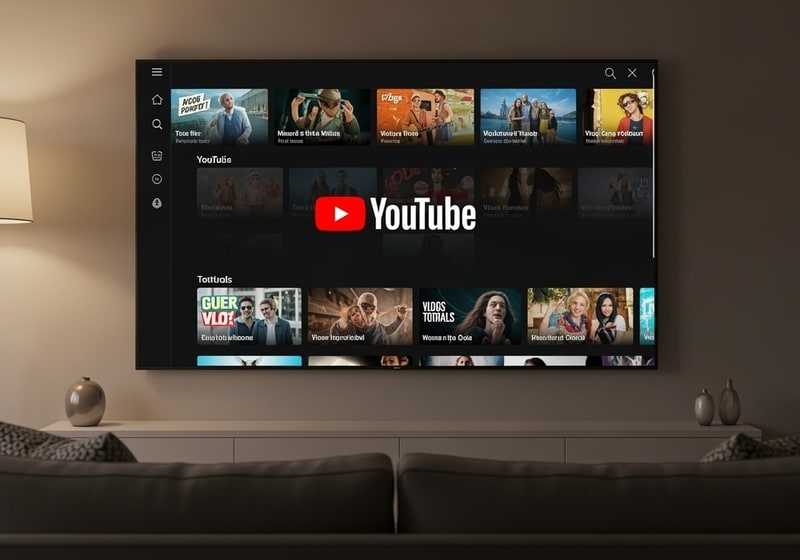
Image Credit: Shutterstock AI
Why This Trend Is Growing
- Lower-threshold Creator Commerce
- Monetization access for creators with as few as 500 subscribers creates new referral-commerce microeconomies tied to everyday content.
- Built-in Commission Attribution
- End-to-end commission tracking embedded in creator workflows increases transparency in referral attribution and enables more precise revenue-sharing models.
- Creator-led Retail Diversification
- Small creators turning routine videos into shoppable touchpoints contributes to fragmented retail channels and long-tail product discovery.
Industries Being Reshaped
- E-commerce Platforms
- Marketplace operators could see millions of micro-influencers become embedded sales channels through seamless tag integration and shared merchant programs.
- Ad Tech and Analytics
- Ad tech providers gain access to richer attribution metadata that supports granular performance measurement and predictive commission optimization.
- Small and Niche Retailers
- Independent merchants benefit from increased discovery as creator-tagged listings surface products within highly contextual, intent-driven content environments.