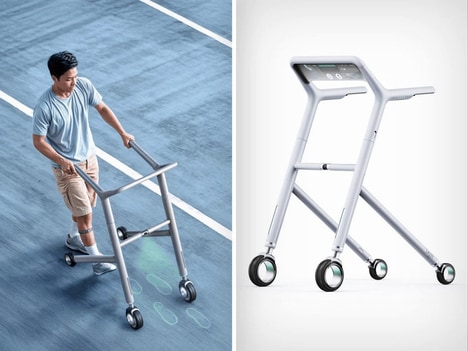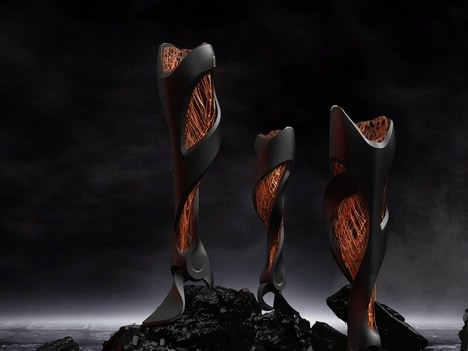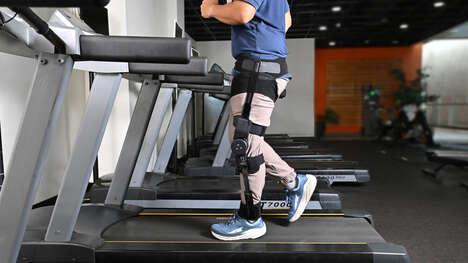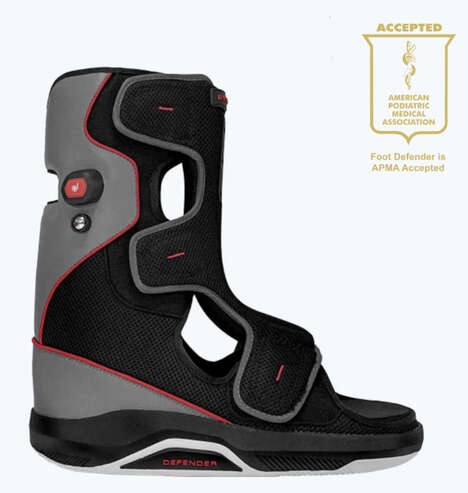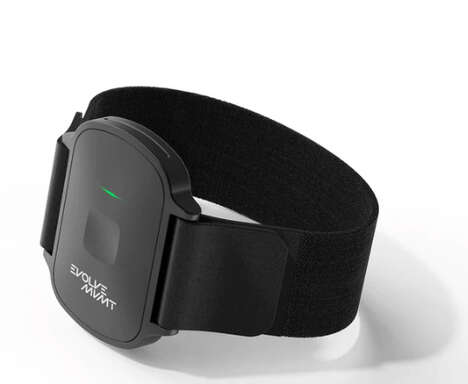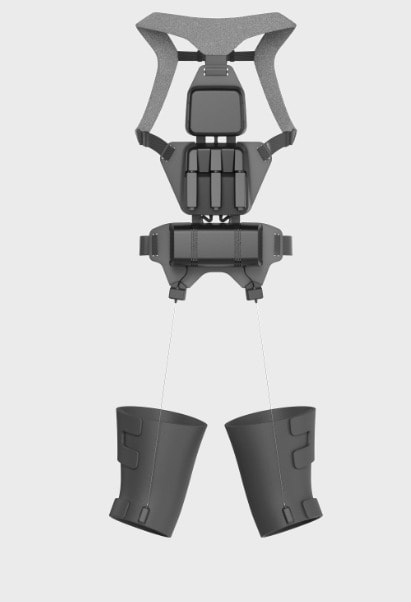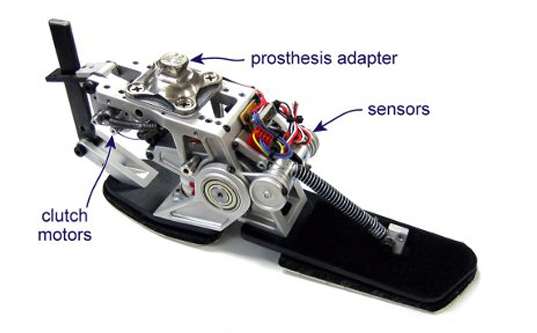
An energy-recycling artificial foot redirects energy that is usually wasted between steps to make walking easier for amputees. The foot’s creators, Kuo and Steve Collins, engineered a way to put the 23% of walking energy wasted with a standard prosthesis to work increasing the push-off power of the ankle. A microcontroller properly times and routes the captured energy to the prosthetic foot system to make the increased push-off power possible.
The Seattle Veterans Affairs Medical Center is currently testing the artificial foot and an Ann Arbor company is considering a variation of the energy-recycling prosthetics design for commercial production.
Why This Trend Is Growing
- Energy-recycling Prosthetics
- Opportunity for developing innovative prosthetic technologies that recycle and redirect wasted walking energy.
- Improved Mobility for Amputees
- Opportunity for creating technologies that enhance walking abilities and increase quality of life for amputees.
- Efficient Energy Management in Prosthetics
- Opportunity for developing energy-efficient prosthetic devices that optimize power usage.
Industries Being Reshaped
- Healthcare
- Opportunity for healthcare companies to invest in research and development of energy-recycling prosthetics.
- Prosthetics Manufacturing
- Opportunity for prosthetics manufacturing companies to integrate energy-recycling technologies into their product offerings.
- Medical Device Technology
- Opportunity for medical device technology companies to develop innovative energy management systems for prosthetic devices.