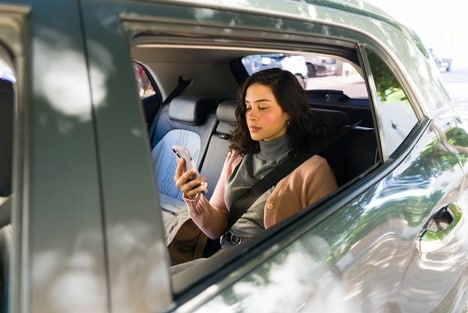

Uber is rolling out encrypted trip video recording to nearly 2 million driver partners in India, giving them a way to document rides if a safety concern or fare dispute arises. The feature is built into the Uber app, and riders can choose whether their trip is recorded. The footage is encrypted, meaning neither riders, drivers nor Uber can access the video directly.
Instead, only law enforcement can request a copy from Uber, creating a potential record for investigating incidents without making footage available for general viewing. The system is designed to give drivers an additional way to document what happens during a ride while keeping recordings protected.
Alongside the recording feature, Uber is piloting intercity Uber Bike in selected areas of India, with a wider rollout planned. The service could give drivers another way to earn beyond local trips, as the company expands both its safety tools and its range of ride options.
Image Credit: Agencies
Why This Trend Is Growing
- Encrypted Mobility Evidence
- Privacy-preserving video logs create new possibilities for verified incident documentation without exposing sensitive rider or driver data.
- Consent-based Ride Monitoring
- Opt-in recording systems reshape in-transit safety by balancing user control, dispute resolution, and platform accountability.
- Driver-centric Safety Tools
- Built-in protection features position gig workers with stronger safeguards while opening space for trust-focused platform differentiation.
Industries Being Reshaped
- Ride-hailing
- Encrypted trip documentation introduces a privacy-first safety layer that can influence rider confidence and driver retention.
- Digital Security
- End-to-end encrypted evidence systems expand demand for controlled-access data infrastructure in consumer mobility services.
- Urban Mobility
- Intercity bike services and safety technology together signal broader opportunities for flexible, lower-cost regional transportation models.