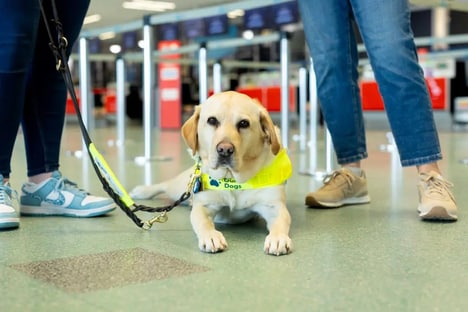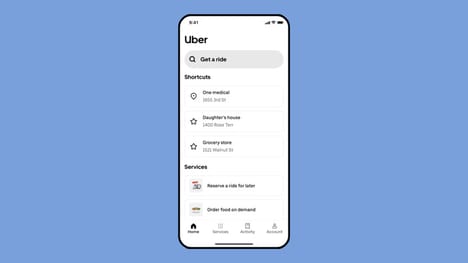
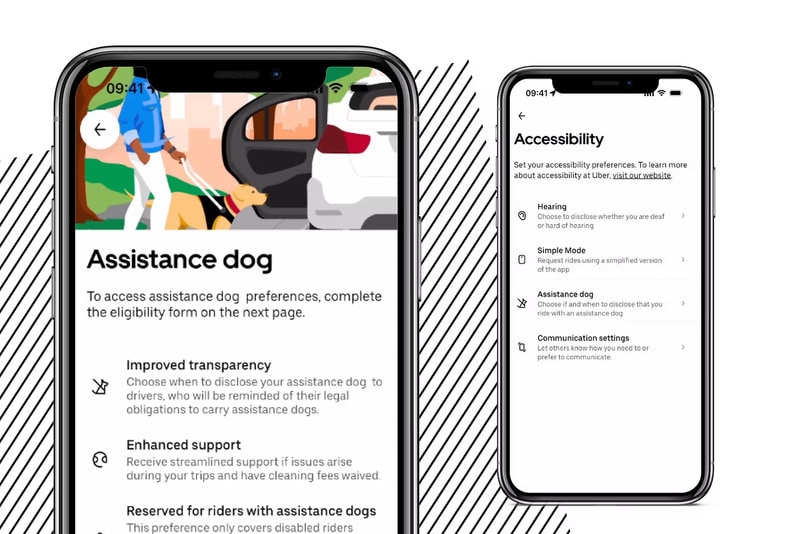
Uber has implemented a new, voluntary setting within its UK application designed for accommodating passengers who rely on assistance dogs. This function permits users to indicate their status within their account's accessibility menu, which then automatically communicates this information to the driver before a journey begins. The development of this tool involved a two-year collaboration with advocacy groups and individuals who rely on assistance animals.
Concurrently, the company has reinforced its procedures for addressing service issues. If a driver cancels a trip after being notified of an assistance dog, the passenger is prompted to report the incident for a rapid response, and the driver receives an in-app reminder of the legal and platform obligations to accept such passengers. The existing methods for reporting discrimination remain available for those who choose not to use the new identification feature.
Image Credit: Uber
Why This Trend Is Growing
- Enhanced Accessibility Features
- The addition of user-status indicators for assistance dogs in rideshare apps enhances accessibility and promotes inclusivity for disabled passengers.
- Proactive Incident Management
- Uber's new feature that prompts users to report service issues directly connects passengers with support for a faster problem resolution.
- Collaborative Development Initiatives
- By working with advocacy groups, companies can design more user-centric solutions that address the specific needs of individuals with disabilities.
Industries Being Reshaped
- Ridesharing Services
- Rideshare platforms like Uber are evolving to become more inclusive, offering features that cater specifically to passengers with assistance needs.
- Accessibility Technology
- The integration of accessibility settings within mainstream applications is transforming how technology serves individuals with disabilities.
- Disability Advocacy Organizations
- Collaboration between tech companies and advocacy groups can lead to more tailored innovations that better serve the disabled community.