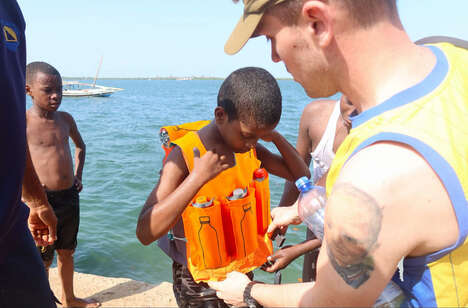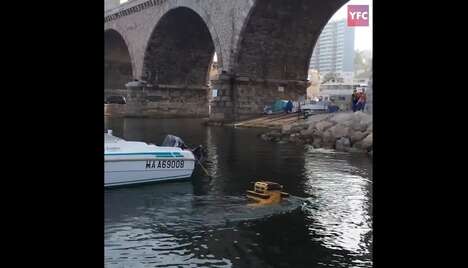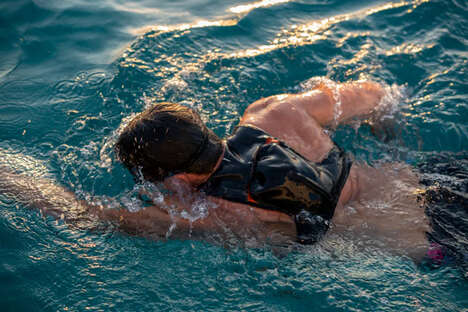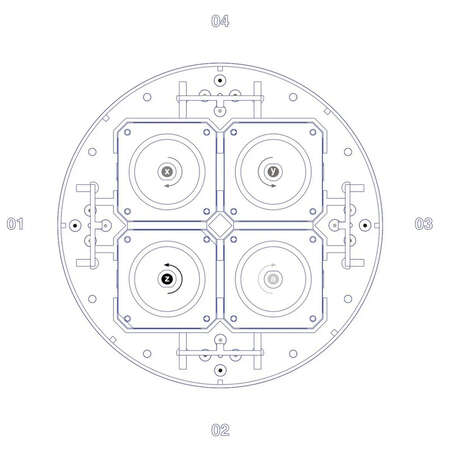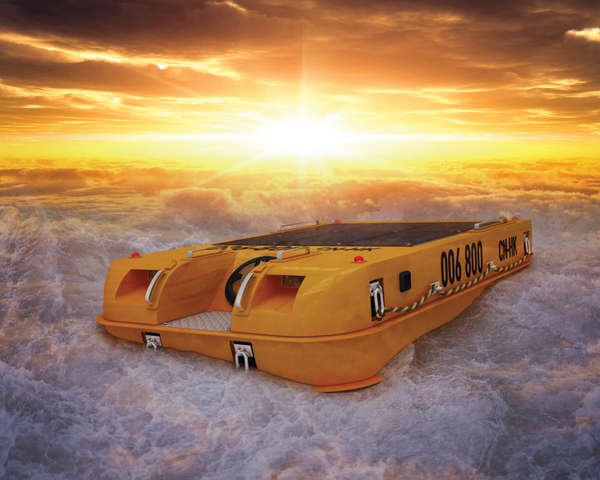
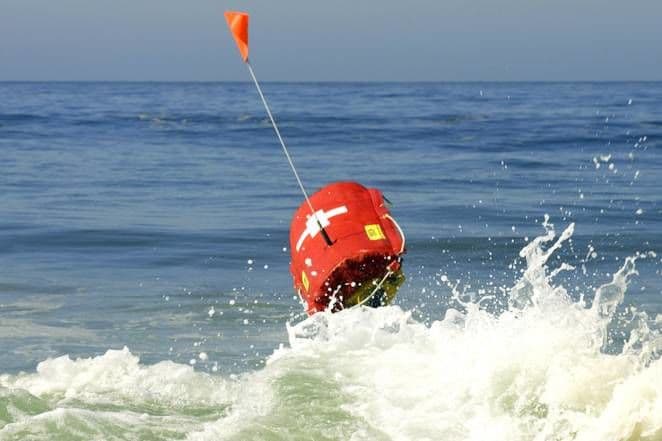
The 'EMILY robot' is a remote-controlled life preserver that is currently being used to save the lives of refugees who embark on the sea crossing to Europe. Last year alone, more than 4,000 people lost their lives trying to make their way to places like Greece and Turkey. As a result, researchers are looking for new ways to prevent other refugees from suffering a similar fate.
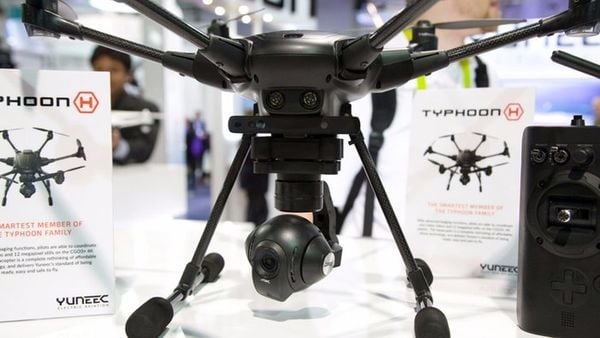
The EMILY robot, which stand for 'Emergency Integrated Lifesaving Lanyard,' is a robotic life preserver that is attached to a jet ski. The device can be deployed from the shore or from a boat and it can reach up to 2,000 feet. An operator uses the device and the assistance of a quadcopter to locate migrants in need. When users grab the device, the operator then reels them in to shore. Up to five people can hold on to the device, making it ideal for assisting lifeguards and volunteers.
With a growing number of Syrian refugees crossing the sea into Europe, this robotic life preserver could help to save countless individuals from drowning.
What Makes This Trend Stand Out
- Remote-controlled Life Preservers
- The development of remote-controlled life preservers can revolutionize the way we rescue those in need at sea.
- Integration of Robotics and Lifesaving Technology
- The integration of robotics and lifesaving technology presents an opportunity for innovative solutions to save lives in dangerous situations.
- Assistive Devices for Lifeguards and Volunteers
- The creation of assistive devices for lifeguards and volunteers can enhance their ability to rescue multiple people in distress.
Sectors Adopting This
- Search and Rescue
- The search and rescue industry can benefit from adopting remote-controlled life preservers to improve their efficiency and effectiveness in saving lives.
- Lifeguarding
- The lifeguarding industry can explore the integration of robotics and lifesaving technology to enhance their ability to assist people in need.
- Humanitarian Aid
- The humanitarian aid industry can leverage assistive devices to provide better support for refugees and other individuals in dangerous situations.