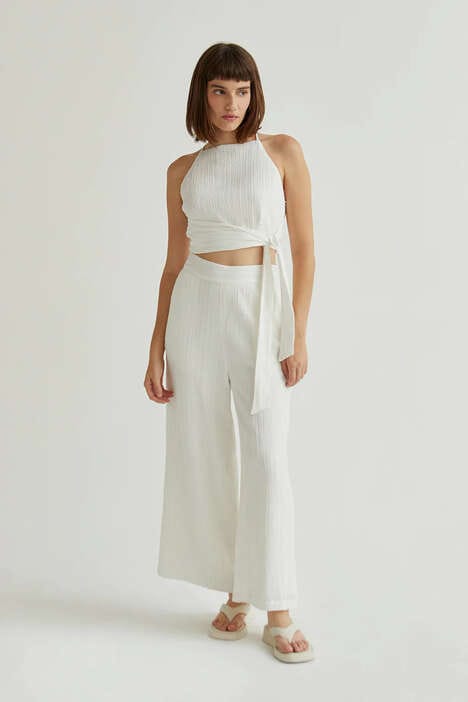
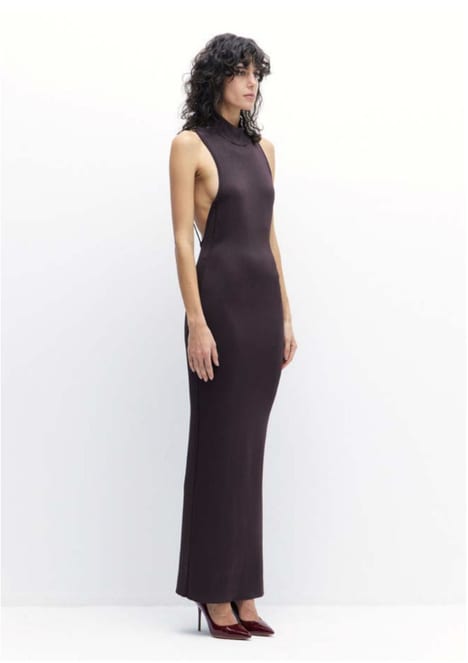
While the minimalism trend in the fashion world today seems to have been pioneered by legendary designers like Calvin Klein, Pheobe Philo of Celine and Jil Sander, the Elyssa Dimant Minimalism and Fashion book demonstrates that minimalism can be traced back to the 60s when it was introduced by André Courreges, Rudi Gernreich and Paco Rabanne.
Dimant is a fashion historian and a former research associate at the Costume Institute the Metropolitan Museum of Art who explores the story behind minimalism in the fashion world and how it came to be the mega-trend that it is now.
"In many ways, minimalism transitioned from a 1960s high art movement to a persisting presence in contemporary artistic vernacular due to its appropriation within the field of fashion, and to the many fashion designers who have equated reduction and abstraction with beauty and progress," says Dimant.
With Dimant's thorough research and eloquent writing style, the Elyssa Dimant Minimalism and Fashion book is a definite must-read.
Key Themes Behind This Trend
- Minimalist Fashion History
- As fashion becomes more sustainable, there are opportunities for disruptively innovating the older minimalist fashion trends
- Minimalism and Artistic Vernacular
- Artists and designers can look towards the high art movement of minimalism, abstraction and reduction as a sustainable art and design trend
- Fashion History and Mega-trends
- Exploring the history of fashion trends can be insightful for designers and entrepreneurs who are looking to create new mega-trends
Where This Applies
- Fashion
- Sustainable fashion will benefit from a renewed interest in older minimalist fashion trends
- Art and Design
- Minimalism and abstraction can inspire sustainable art and design
- Publishing
- There's an opportunity for publishers to produce more books that explore the history of fashion and mega-trends