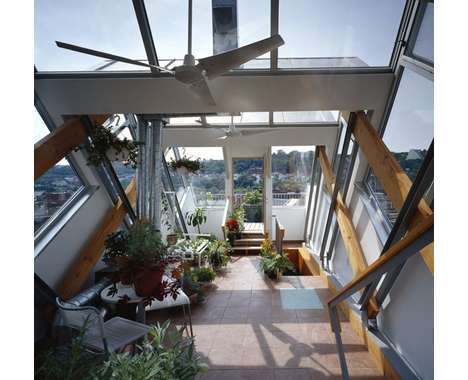
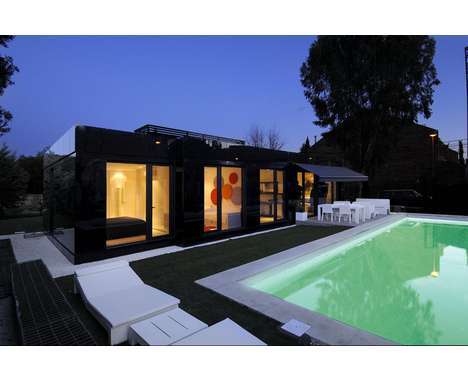
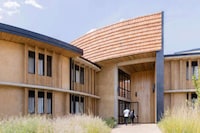
Innovations in architecture and construction materials are always welcomed because of the growing interest into going “greenâ€.
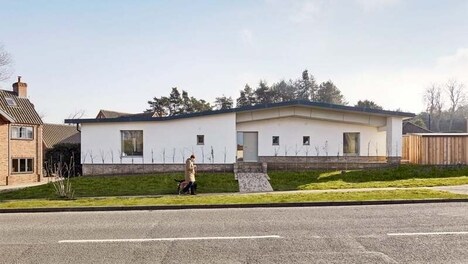
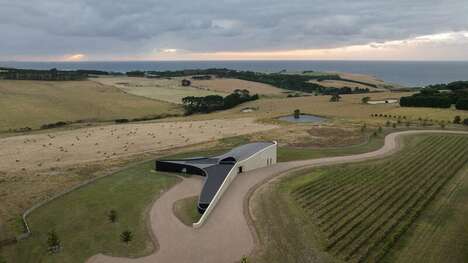
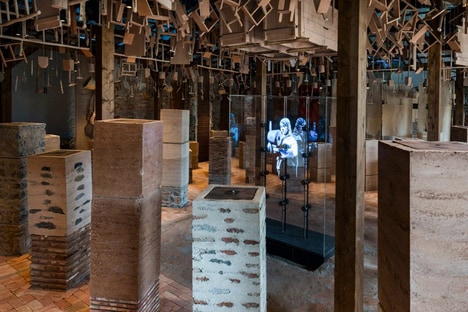
The rammed earth construction for buildings is incredibly old. It can also be called, “man made sedimentary rock.â€
It consists of several layers of prepared dirt (30% clay and 70% dirt) that are layered and packed by using man or machine power. When the process is completed, the walls made by this process are water, fire, weather, rot proof, they are hard as concrete and they also minimize temperature swings on the interior.
Other great benefits of this construction process is that you can add concrete, steel bars or veneers for strength and look. Also, you can use aluminum cans or tires as they can be used using the same method and build strong walls.
This old/new method can be incredibly useful for recycling and for using less energy in our homes.
What Makes This Trend Stand Out
- Green Architecture
- The trend towards sustainable and eco-friendly construction materials provides an opportunity for disruptive innovation in green architecture.
- Rammed Earth Construction
- The use of rammed earth as a construction material presents an opportunity for disruptive innovation in sustainable, durable building construction.
- Recycling Construction Materials
- Innovations in the recycling of aluminum cans and tires through the rammed earth construction process presents an opportunity for disruptive innovation in sustainable building practices.
Sectors Adopting This
- Construction Industry
- The construction industry can benefit from disruptive innovation in sustainable building practices by utilizing rammed earth construction.
- Green Energy Industry
- The green energy industry can benefit from disruptive innovation in green architecture as sustainability becomes a greater priority.
- Waste Management Industry
- The waste management industry can benefit from disruptive innovation in the recycling of construction materials through innovative building processes like rammed earth construction.