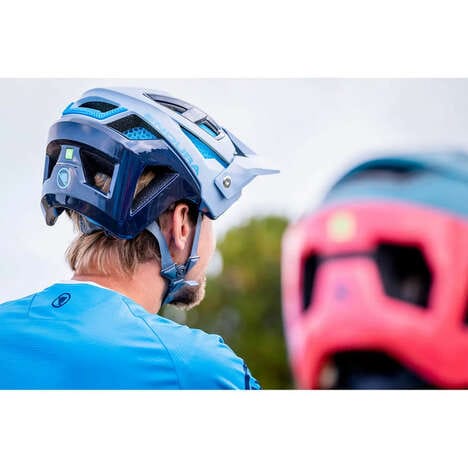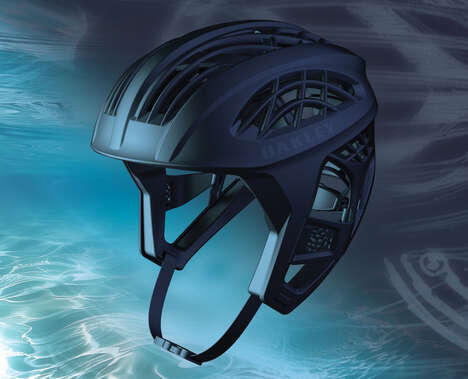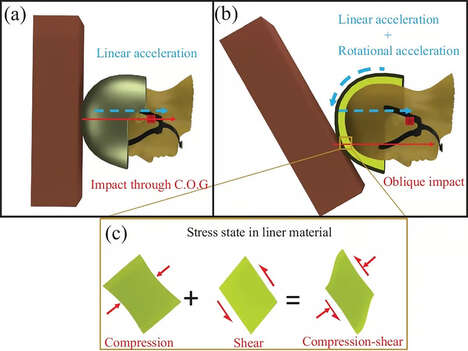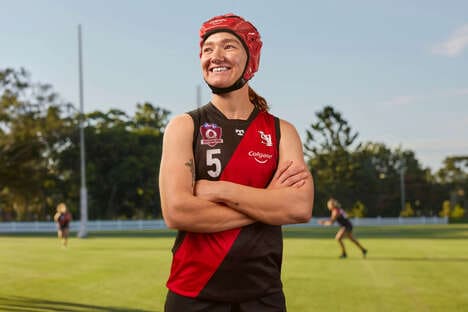

The Easton-Bell Pitching Helmet could significantly drop injury incidents amongst baseball athletes, hopefully changing the climate of the industry. There's a reason why athletes only stay in their particular sport for a short period of time (in comparison to other careers) and it doesn't just have to do with age--it often has more to do with physical injury affecting one's ability to play.
Although it might look like a rather futuristic design, you thankfully won't have to wait 20 years before seeing the Easton-Bell Pitching Helmet on the pitching mound. Easton-Bell hopes to have it in stores by this fall.
Made out of a super light-weight material designed by Absorb Energy, the Easton-Bell Pitching Helmet will not hinder a pitcher's natural performance. With that aside, I think that helmets should simply be made mandatory.
Why This Trend Is Growing
- Preventing Head Injuries
- The Easton-Bell Pitching Helmet could significantly drop injury incidents amongst baseball athletes, creating an opportunity for developing more advanced protective gear.
- Lightweight and Performance-enhancing Gear
- The use of super lightweight materials in protective sports gear, like the Easton-Bell Pitching Helmet, presents opportunities for creating gear that doesn't hinder athletes' natural performance.
- Enforcing Safety Regulations
- The introduction of mandatory helmets in baseball could drive the development of new safety regulations in the sports industry.
Industries Being Reshaped
- Sports Equipment Manufacturing
- The development of advanced protective gear, like the Easton-Bell Pitching Helmet, presents an opportunity for companies in the sports equipment manufacturing industry to create innovative and safer products.
- Sporting Goods Retail
- The introduction of new helmet regulations and the availability of innovative protective gear, like the Easton-Bell Pitching Helmet, could drive demand for specialty sporting goods retailers.
- Sports Safety and Training
- The need for preventing head injuries in sports like baseball creates opportunities in the sports safety and training industry for developing new techniques, protocols, and technologies to ensure athlete safety.