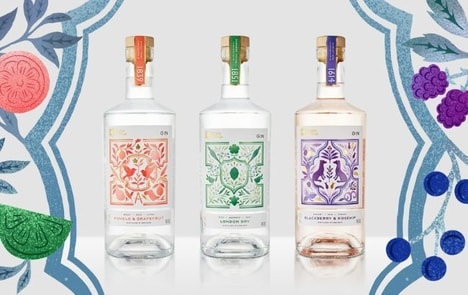
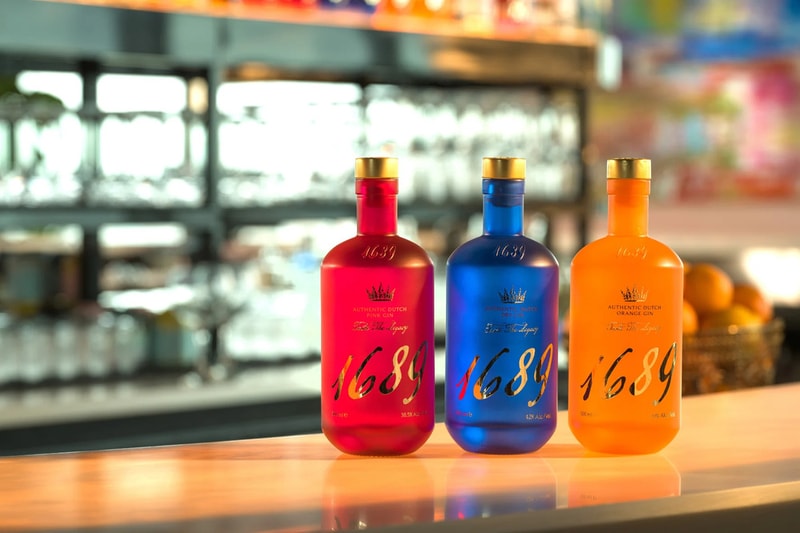
1689 Dutch Orange Gin launched in the UK as the third core expression from The Amsterdam Craft Gin Company, featuring a citrus-forward profile inspired by a 17th-century gin recipe linked to William of Orange. Bottled at 40% ABV, the orange-colored spirit expands the brand’s portfolio beyond its Dutch Dry and Dutch Pink variants.
Produced with a Dutch craft distillery, the gin highlights fruity citrus aromatics designed to refresh classic gin serves while reinforcing the brand’s heritage-led identity rooted in archival recipe research. Available in 700ml, 500ml and 50ml formats, the launch broadens consumer access across retail and hospitality channels.
For drinkers and bartenders, Dutch Orange Gin offers a history-driven alternative with bright, modern flavor appeal, reflecting growing demand for premium spirits that combine provenance storytelling with cocktail versatility.
Image Credit: 1689 Dutch Orange Gin
What's Driving This Trend
- Citrus-forward Craft Spirits
- Increasing consumer preference for bright, fruit-led gin profiles signals room for novel flavor-centric product lines that redefine mainstream spirit categories.
- Heritage-recipe Revival
- Revival of archival and historically inspired recipes is elevating provenance as a differentiator, opening space for brands that fuse storytelling with unexpected contemporary formulations.
- Format Diversification
- Expansion into varied bottle sizes and formats is reshaping access and sampling behaviors, enabling experimentation with distribution models and micro-packaging concepts.
Who This Affects Most
- Premium Spirits Retail
- A retail environment prioritizing curated, provenance-rich labels highlights potential for disruptive merchandising, subscription and direct-to-consumer assortment strategies.
- Hospitality and Cocktail Bars
- Bars and cocktail programs emphasizing novel, history-driven ingredients create opportunities for menu innovations and signature serves that recalibrate guest expectations.
- Alcoholic Beverage Tourism
- Interest in distillery stories and heritage-led products is reshaping travel experiences around tasting and education, presenting prospects for immersive, brand-centered visitor offerings.