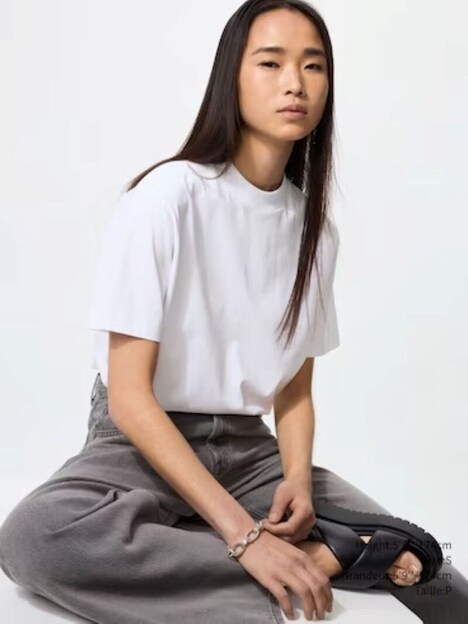
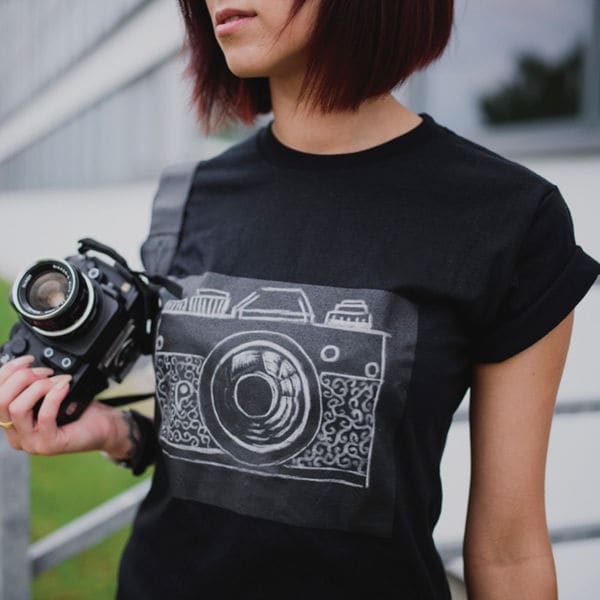
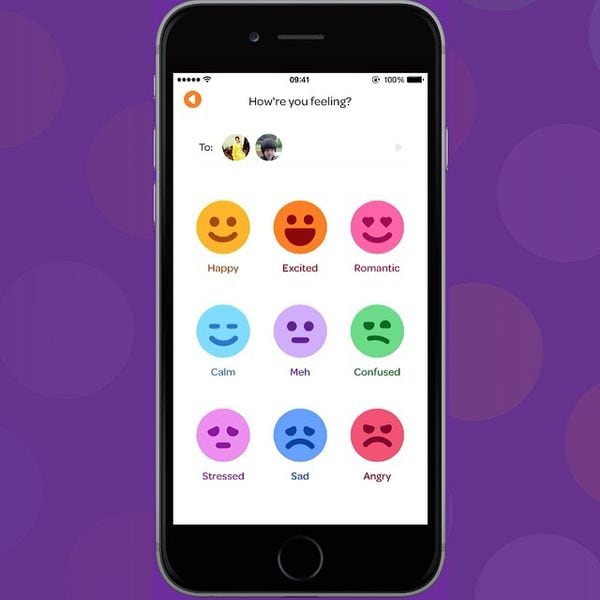
If you have have ever been totally overwhelmed with choice when it comes to picking your outfit, this new technology from Uniqlo will help you to dress for your mood. The Japanese clothing brand just launched UMood in their Sydney-located Pitt Street store, which uses neuroscience to help customers pick a t-shirt to match how they are feeling.
Customers wear a headset that measures their brain activity while they watch a series of short video clips. Each one is only a few seconds long and are designed to correlate to moods such as 'stormy' and 'dandy.' Using metrics including concentration, drowsiness, interest, like and stress, UMood matches the wearer's response to an appropriate tee. This helps you dress for your mood when even you aren't sure how you feel.
Why This Trend Is Growing
- Mood-matching Wearables
- Companies can utilize neuroscience to create fashion technology that can optimize a customer's wardrobe based on their mood.
- Neuroscience-driven Customer Experiences
- Businesses can utilize neuroscience technology to personalize the customer experience and cater to their emotional needs.
- Emotion-mapping Technology
- Incorporating neuroscientific technology into business can allow for the development of emotion-sensing tech that can aid in product recommendations and sales.
Industries Being Reshaped
- Fashion
- Apparel companies can use neuroscience to create personalized, mood-driven clothing that aligns with a customer's emotional needs.
- Retail
- Neuroscience technology can be used in retail to personalize the shopping experience, aiding in product recommendations that align with a customer's mood.
- Health and Wellness
- Incorporating neuroscience technology into health and wellness products can help to align with the emotional needs of customers, leading to increased satisfaction and loyalty.