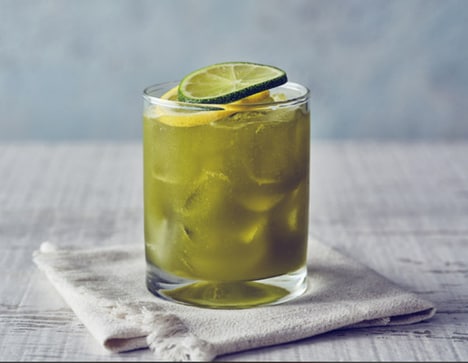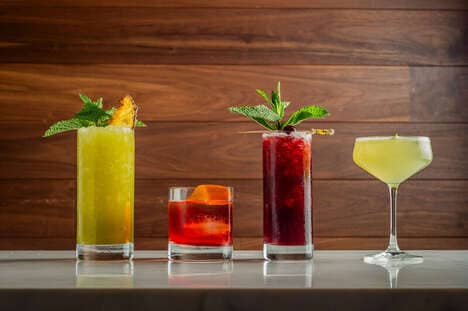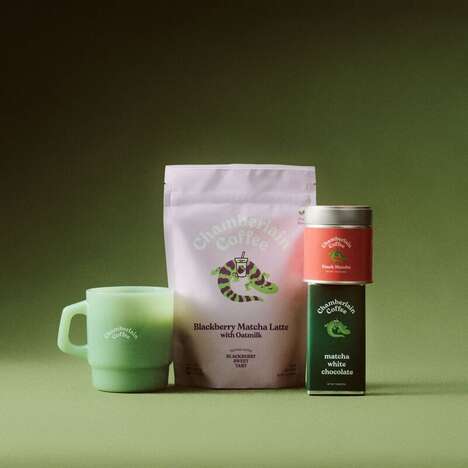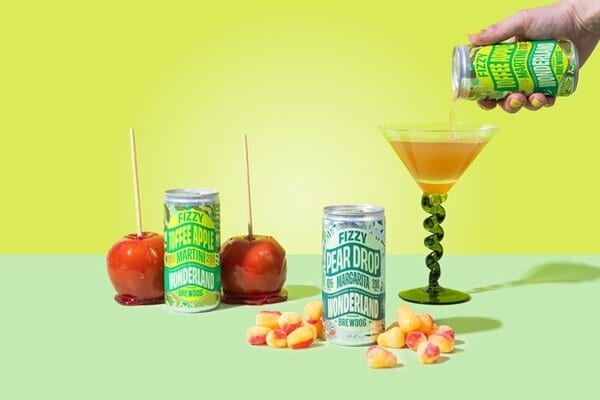
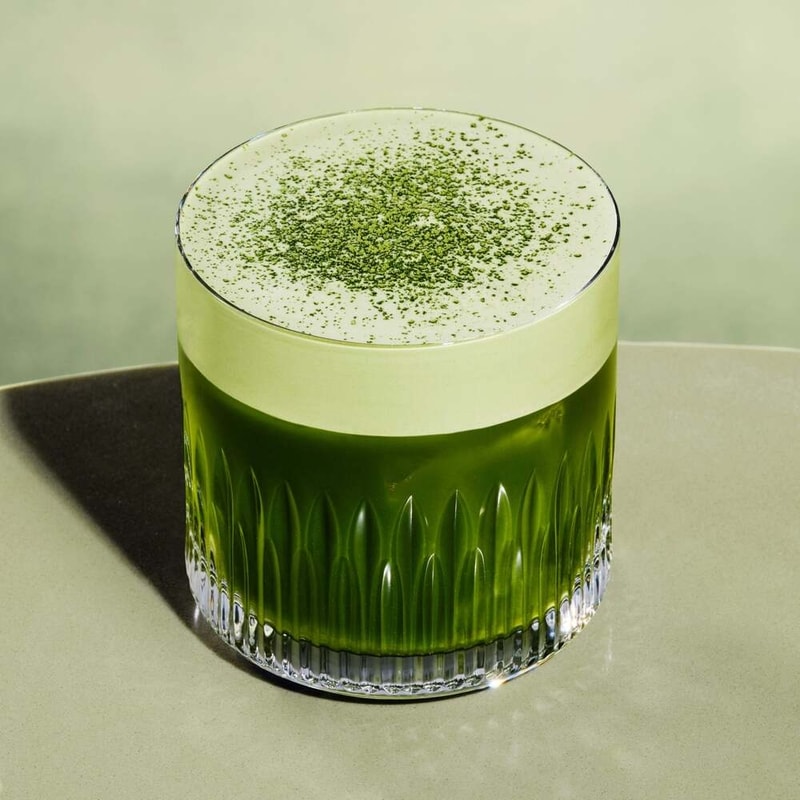
Starbucks Reserve's new Double Matcha Margarita is a collision of two distinct craft cultures, where Japan's ceremonial reverence for earthy, bright matcha meets Mexico's sun-drenched lime, salt, and tequila, resulting in a drink that feels both quietly meditative and boldly celebratory in the same sip.
The Double Matcha Margarita is prepared with three components of a great-tasting margarita—tequila, lime juice and agave nectar—shaken with matcha, then finished with lightweight, colorful matcha cold foam and a dusting of matcha powder.
On Starbucks Reserve's springtime menu, the Double Matcha Margarita cocktail can be savored individually or as part of the new Seasonal Cocktail Flight, which includes an Ube Espresso Martini and a signature Starbucks Reserve Espresso Martini.
Key Themes Behind This Trend
- Fusion Craft Beverages
- Blending distinct cultural beverage rituals like matcha and margaritas creates novel flavor hybrids that challenge category definitions and invite cross-category product lines.
- Textured Foam Garnishes
- Lightweight, colorful cold foams used as finishing elements transform mouthfeel and visual appeal, enabling signature sensory branding on both alcoholic and nonalcoholic drinks.
- Seasonal Cocktail Flights
- Curated multi-item tasting sets packaged around seasonal themes encourage experimental purchase behavior and provide low-risk ways for consumers to sample unconventional combinations.
Where This Applies
- Coffee Chain Retailers
- Expanded beverage palettes that incorporate spirits and cocktail techniques could reposition cafes as destination bars and diversify peak-hour revenue streams.
- Alcoholic Beverage Distillers
- Distillers can capitalize on hybridized cocktails by developing spirit blends and ready-to-drink formats crafted specifically to harmonize with tea-based and foam-forward mixers.
- Hospitality and Foodservice
- Restaurants and bars have the opportunity to differentiate menus through cross-cultural beverage collaborations that elevate experiential dining and drive premium pricing.