'Do Good Foods' is a new Pennsylvania-based startup that seeks to upcycle unused and wasted food into nutrient-dense feed for chickens. This company does not take food waste that has been eaten and discarded, but rather, the waste used consists of discarded foods from grocery stores that were not sold. These foods are then compiled and upcycled into a nutrient-dense supplement for chickens.
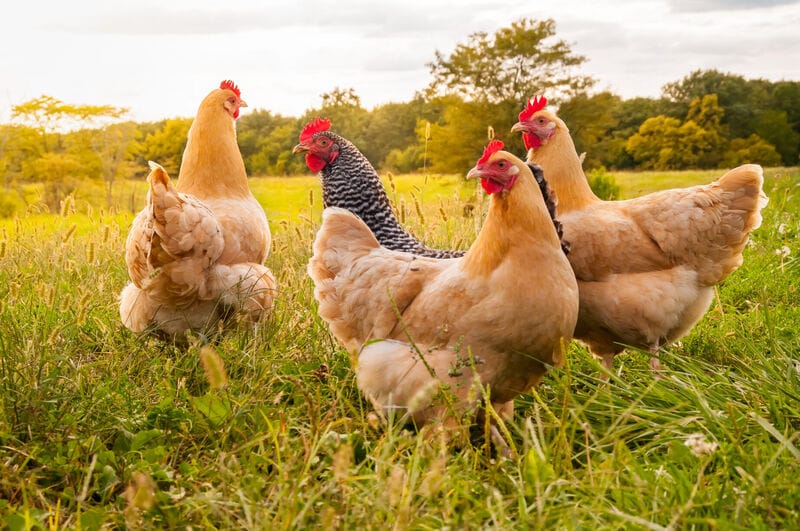
Do Good Foods then uses these chicken feed supplements on its own farms to grow hormone-free, cage-free, sustainable chicken meat. This initiative has just begun, so these chickens are not yet available for purchase. It is important to note, though, that while Do Good Foods' poultry products may receive 'Animal Welfare' approval in the near future, the company will not receive the organic label because of the nature of the chicken feed being from grocery store products.
Image Credit: Shutterstock
Why This Trend Is Growing
- Upcycling in Agriculture
- There is a trend towards use of upcycled or recycled materials in agriculture for livestock feed.
- Sustainable Animal Feed Production
- There is a trend towards more sustainable animal feed production that takes into account the full supply chain of the feed ingredients.
- Regenerative Agriculture
- There is a trend towards regenerative agriculture practices that aim to improve soil health and crop yields while also reducing environmental impacts of agriculture.
Industries Being Reshaped
- Agriculture
- The agriculture industry can incorporate upcycling and sustainable practices in animal feed production to reduce waste and improve sustainability.
- Food and Beverage
- The food and beverage industry can partner with upcycling initiatives like Do Good Foods to reduce food waste and improve sustainability across the supply chain.
- Livestock Farming
- The livestock farming industry can incorporate sustainable animal feed practices to reduce environmental impacts and improve animal health and welfare.