With the famous Palace of Versailles undergoing a comprehensive renovation of both its interior and exterior, celebrated French artist Pierre Delavie took it upon himself to mask the unsightly restorations of the roofs by covering with a spectacular, enormous canvas. Delavie teamed up with French luxury fashion house Dior for the undertaking, which marks just the latest collaboration between the two -- dating back to 1947.
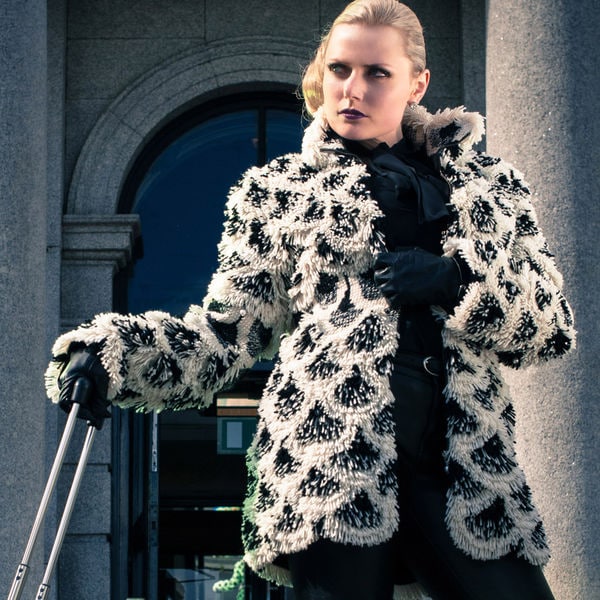
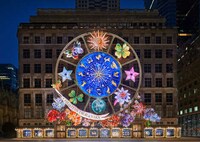
Delavie's Dior Trompe L'Oeil canvas is an ode to what he terms "all the glories of France" -- the massive Trompe L'Oeil artwork stretches across the palace's facade. Photographs of iconic past and present Dior designs are thoughtfully placed in a setting of greenery and stone and look like a window.
Photo Credits: designboom, pierredelavie
Key Themes Behind This Trend
- Canvas-wrapped Palaces
- The use of large-scale canvas installations to cover unsightly restorations in historic buildings presents an innovative solution for preserving architectural beauty during renovation projects.
- Fashion-driven Collaborations
- Collaborations between luxury fashion houses and artists offer opportunities for unique and visually stunning projects that blend fashion and art.
- Trompe L'oeil Artwork
- The use of trompe l'oeil techniques, particularly in large-scale installations, creates immersive and visually striking experiences that challenge viewers' perception of reality.
Where This Applies
- Art and Design
- The art and design industry can explore the use of large-scale canvas installations and trompe l'oeil artwork to create immersive and visually striking experiences in various settings.
- Fashion
- The fashion industry can continue to collaborate with artists to create unique and visually stunning projects that push the boundaries of fashion and art.
- Historical Preservation
- The field of historical preservation can utilize innovative techniques, such as canvas wrapping, to maintain the aesthetic beauty of historic buildings during renovation processes.