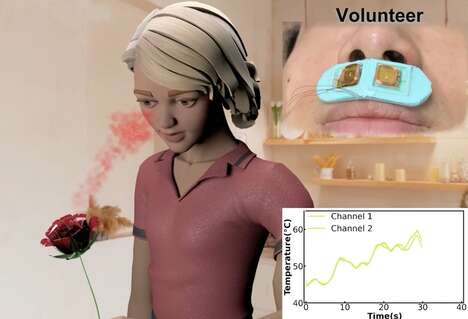
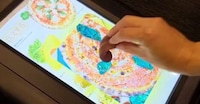
For all that the Internet has provided people with, it is still a shallow replacement for real life interactions; yet inventions like the Digital Taste Interface hope to close the gap between the two realities. As its name suggests, it is a simulator that will allow people to essentially taste the internet. It does so through the use of electrodes that fool taste receptors by reproducing salty, sweet, sour and bitter sensations.
Developed by researchers at the National University of Singapore, the Digital Taste Interface could very well be the future of cooking shows, video games and more. According to Fast Company, Dr. Nimesha "Ranasinghe and his team have also been working on a digital lollipop--one that tastes as sweet as the real thing, but without the cavities or calories--and a project that transmits tastes over digital communication."
Why This Trend Is Growing
- Digital Taste Interface
- The invention of a Digital Taste Interface has the potential to revolutionize the way people experience food-related content on the internet.
- Internet of Senses
- The innovation of the Internet of Senses (taste) has the potential to transform the way in which we engage with technology.
- Virtual Taste Technology
- The development of Virtual Taste Technology allows for the seamless integration of taste and digital technology into various industries.
Industries Being Reshaped
- Food and Beverage Industry
- The Food and Beverage industry has the potential to benefit from using Digital Taste Interfaces in menu and recipe design, taste testing, and product development.
- Gaming Industry
- The Gaming industry has the potential to benefit from the use of Digital Taste Interfaces in creating a more immersive gaming experience.
- Entertainment Industry
- The Entertainment industry has the potential to benefit from the use of Digital Taste Interfaces in cooking shows, food documentaries, and other food-related content.