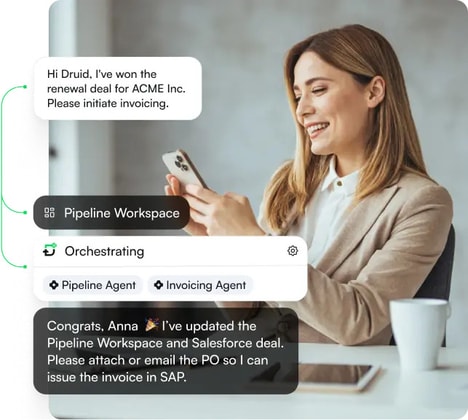
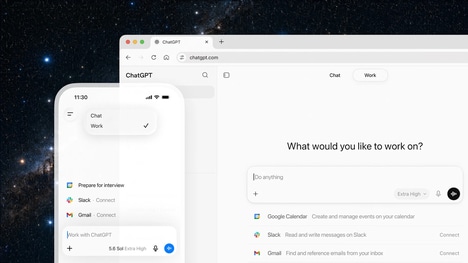
IDP built its ‘Agent-Native System of Action’ for automotive retailers that want AI agents to complete work, not just handle conversations. Using ‘Universal Agent Protocol,’ a framework for carrying approved actions across business apps, it connects ‘MyIDP.app’ with the CRM, dealer management system and scheduling software already in place, with staff oversight intact.
At Tim Dahle and Red Rock Auto Group, IDP says the platform delivered a 12% appointment conversion rate versus about 6% from traditional BDC operations. The shared workspace keeps dealership software in service, and the underlying technology has already supported more than 130,000 booked appointments.
IDP shows how a 12% versus 6% conversion gap can turn dealer AI into a measurable revenue tool rather than a call-handling add-on, while running over existing CRM and scheduling tools makes the model relevant to other fragmented service businesses.
Image Credit: ID Privacy
What Makes This Trend Stand Out
- Agentic Workflow Automation
- AI agents that complete approved tasks across existing systems create new value by shifting automation from conversation support to measurable operational throughput.
- Protocol-based App Integration
- Standardized action frameworks across fragmented business software enable faster deployment of AI services without replacing entrenched CRM, scheduling or management platforms.
- Human-supervised AI Execution
- Staff oversight combined with autonomous task completion opens a middle ground where businesses can scale service capacity while maintaining accountability and control.
Sectors Adopting This
- Automotive Retail
- Dealerships gain a disruptive path to higher appointment conversion by embedding AI agents directly into sales, service and scheduling workflows.
- Customer Relationship Management
- CRM providers face expanding opportunities as agent-ready integrations turn static customer records into triggers for automated revenue-generating actions.
- Field Service Management
- Fragmented service businesses can apply similar agentic scheduling and coordination models to improve booking efficiency across distributed teams and legacy software stacks.