With people's hectic schedules and busy lives, making sure to get enough sleep is essential to rejuvenating the body, and this 'Sleep or Die' infographic outlines potential hazardous health effects and dangers of limited rest.
While sleeping in that extra hour or two in the morning often makes us feel more energized, there are actual statistical benefits to getting a proper amount of sleep each night for ones health. This infographic outlines how the recommended daily hours of sleep is between seven to nine hours, and this allotment of time serves to improve health and alertness. The problem is that most people sleep for a time period well below that recommended amount, causing a risk for such things as diabetes, a heart attack or even death.
If you're worried that you aren't getting enough sleep, then this 'Sleep or Die' chart will let you know just how dangerous limited rest can be.
What Makes This Trend Stand Out
- Sleep Deprivation
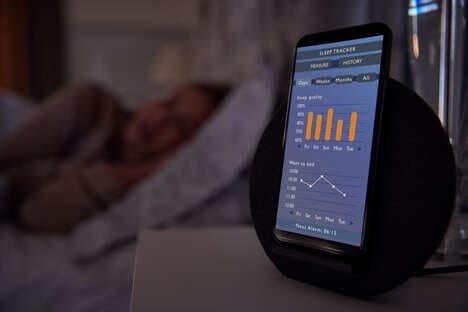
- Opportunity for disruptive innovation in sleep tracking technology to better understand and improve sleep patterns.
- Health Awareness
- Opportunity for disruptive innovation in health education and awareness campaigns to emphasize the importance of adequate sleep.
- Work-life Balance
- Opportunity for disruptive innovation in flexible work arrangements and policies to better accommodate employees' sleep needs.
Sectors Adopting This
- Healthcare
- Opportunity for disruptive innovation in sleep clinics and digital health solutions that provide personalized sleep improvement strategies.
- Technology
- Opportunity for disruptive innovation in sleep tracking devices, smart mattresses, and sleep analysis apps for consumer use.
- Wellness
- Opportunity for disruptive innovation in wellness retreats, relaxation services, and sleep-focused products to promote better sleep habits.