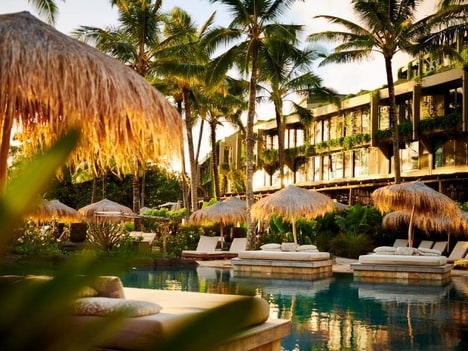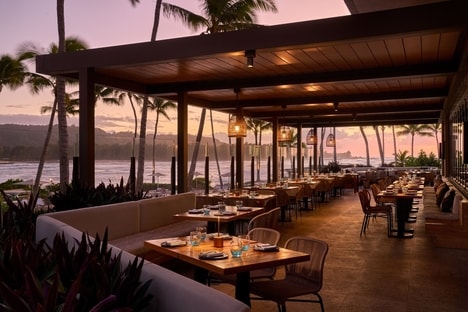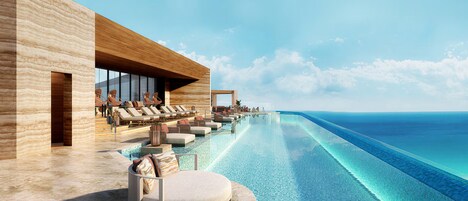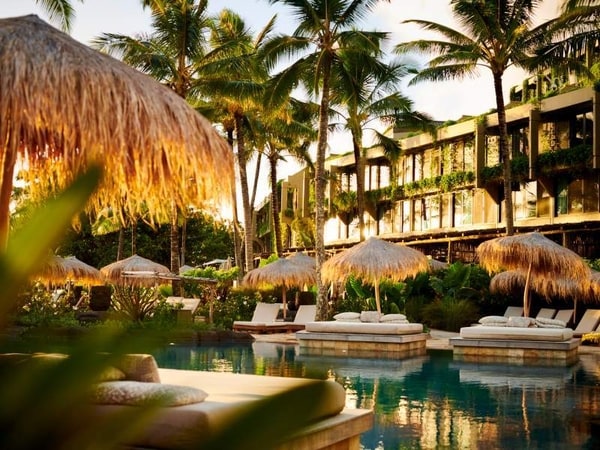
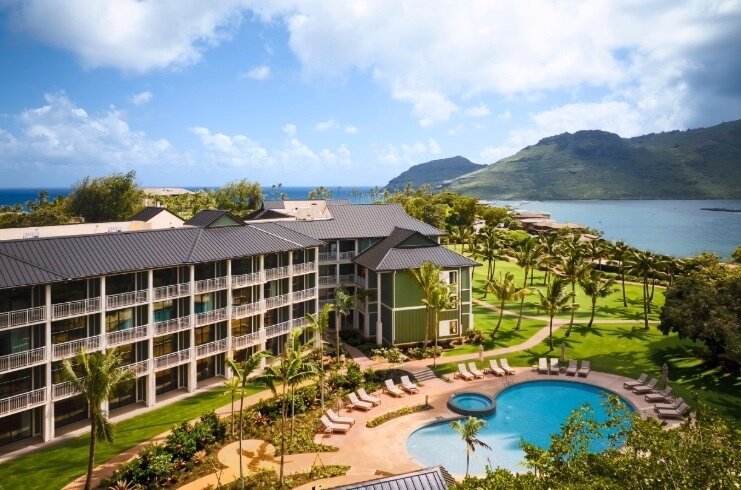
Hilton is expanding its resort footprint in Hawaiʻi with 'Hale Hōkūala Kauaʻi,' a 210-room Curio Collection by Hilton property that offers travelers a more place-tied stay on the island. Set above Nawiliwili Bay, it is the brand's first Curio Collection property in Hawaiʻi, featuring a lifestyle-resort format shaped by local culture.
Its 'E Ala Ka Pilina' cultural program offers guests a clearer entry point into the island's traditions through people and stories rooted in place. Private lanais keep the indoor-outdoor rhythm front and center, so downtime feels connected to the setting rather than sealed off.
For travelers, this means choosing beach properties based more on how distinctly they frame the destination than on room style alone. Hotels chasing the same lifestyle lane now need a stronger sense of place built into the stay.
Image Credit: Hale H?k?ala Kaua?i, Curio Collection by Hilton
Key Themes Behind This Trend
- Place-based Hospitality
- Resorts are differentiating through hyperlocal cultural programming, creating openings for experience platforms, local creator partnerships, and destination-specific service design.
- Indoor-outdoor Luxury
- Guest expectations are shifting toward accommodations that integrate natural surroundings, supporting innovation in biophilic architecture, adaptive room layouts, and climate-responsive amenities.
- Story-led Travel
- Cultural narratives are becoming central to premium travel decisions, giving brands room to develop guided storytelling formats, community-led excursions, and heritage-rich digital content.
Where This Applies
- Hotels and Resorts
- Lifestyle properties are moving beyond standardized luxury, with competitive advantage emerging from localized design, cultural immersion, and curated guest engagement.
- Travel and Tourism
- Destination marketing is gaining value from authentic community connections, opening space for partnerships that translate local traditions into bookable visitor experiences.
- Real Estate Development
- Resort projects are increasingly shaped by cultural and environmental context, encouraging mixed-use concepts that blend hospitality, landscape design, and regional identity.