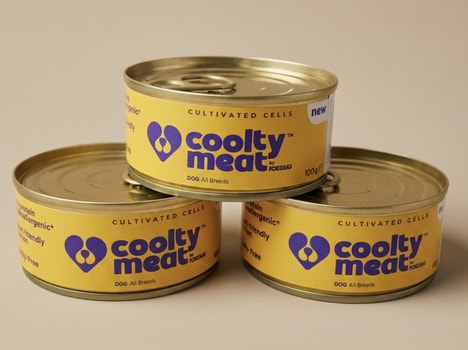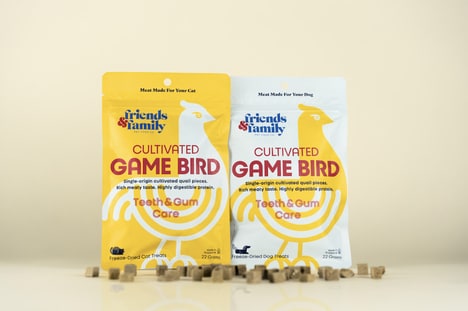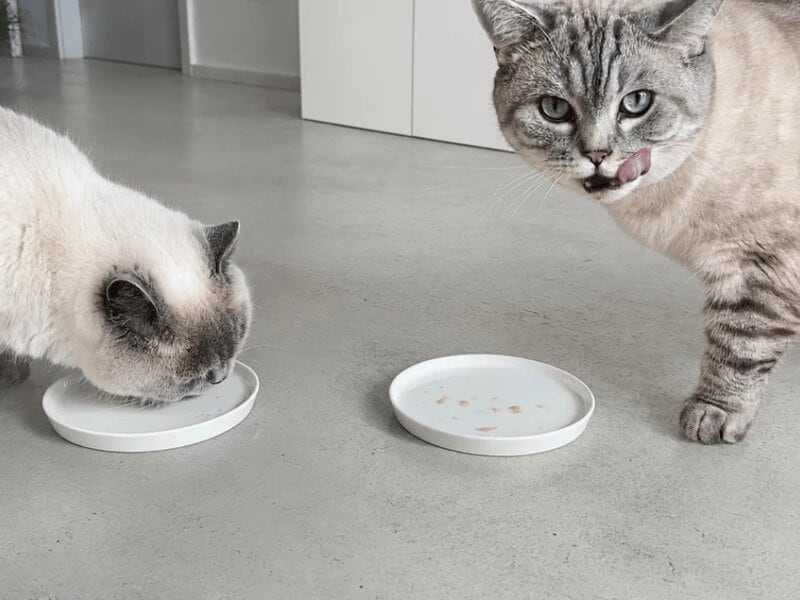
BioCraft Pet Nutrition is offering cat food makers a lickable treat made with cultivated mouse meat, and home testing showed cats accepted it as readily as chicken. In a trial with 40 cats, the sample split evenly on first taste against Applaws's creamy chicken treat.
Each cat received 30 g servings of both products in neutral bowls, with bowl placement rotated across homes to reduce side bias. BioCraft prices the ingredient at $2 to $2.50 per pound, and Austrian clearance allows it to sell the cultivated mouse ingredient for pet food use across the EU.
A 50-50 first-taste split turns cultivated meat from a sustainability pitch into a flavor match for cats, which matters for brands testing novel proteins. EU clearance plus a low per-pound cost widens the B2B case by cutting formulation work and giving pet food companies a sellable ingredient for the region.
Image Credit: BioCraft Pet Nutrition
Why This Trend Is Growing
- Cultivated Pet Proteins
- Lab-grown animal proteins are moving into pet nutrition as cost parity, regulatory clearance, and palatability data make alternative meat inputs more commercially viable.
- Species-specific Nutrition
- Mouse-derived cultivated meat reflects a shift toward biologically relevant pet foods that mirror natural prey preferences while reducing reliance on conventional livestock supply chains.
- Palatability-proven Alternatives
- Side-by-side taste testing gives novel ingredients stronger credibility with brands, turning sustainability-led concepts into performance-based product opportunities.
Industries Being Reshaped
- Pet Food
- Premium treat and meal manufacturers gain room to differentiate through novel cultivated ingredients that combine familiar animal taste profiles with lower-impact sourcing.
- Cellular Agriculture
- Pet applications create an early commercial pathway for cultivated meat producers where regulatory, sensory, and pricing thresholds may be easier to satisfy than in human food.
- Animal Health
- Nutrition-focused wellness products can incorporate tailored proteins that support species-appropriate diets while aligning with consumer demand for safer and more sustainable formulations.