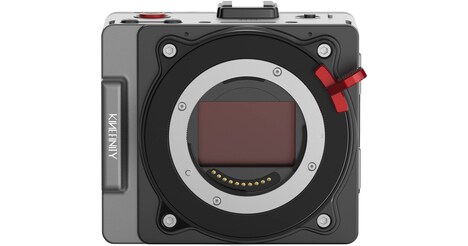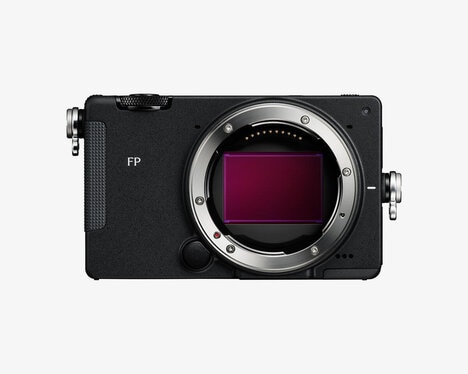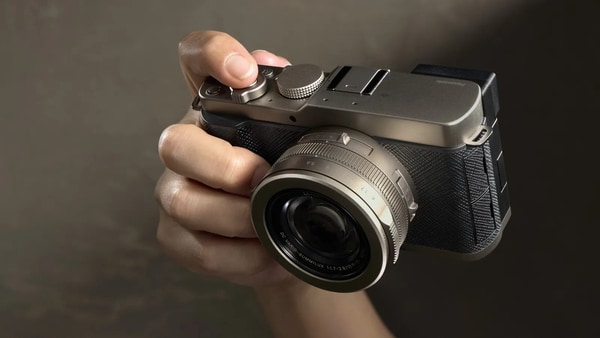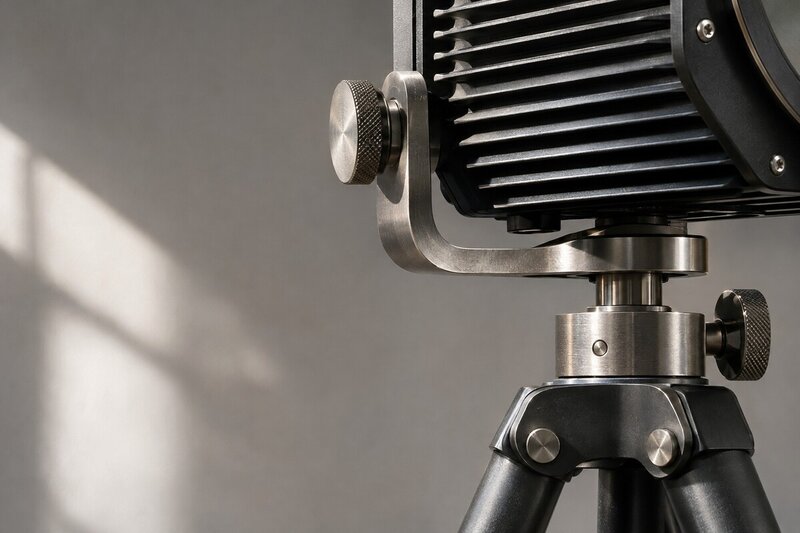
Panasonic introduced the ‘Lumix SHX1’, a cube-shaped full-frame cinema camera that places the ‘Lumix S1 II’ sensor in a body built for video production. Its thread-heavy shell is designed to mount more easily on tripods, gimbals, or cages, while AI object-detection autofocus helps video shooters track moving subjects.
Its headline mode is unlimited 4K recording at 120 fps, supported by a more robust cooling design, though that slow-motion setting uses a cropped section of the sensor. Internal 32-bit float audio recording also reduces the need to ride levels during shoots, the company says.
European sales start in December 2026 at €5,199. The U.S. follows in January 2027 at $4,699. Panasonic shows how the S1 II sensor in a rig-ready body can give buyers cinema-mounting and recording tools around the Leica L-mount.
Image Credit: AI-generated
What's Driving This Trend
- Cube Cinema Bodies
- Compact box-style camera designs create space for modular rigs that support studio, creator, and live-production workflows with fewer body-specific constraints.
- Unlimited High-frame Recording
- Thermally managed 4K 120 fps capture signals a shift toward longer slow-motion production sessions without the workflow interruptions common in compact cameras.
- Embedded Pro Audio
- Internal 32-bit float recording points to leaner video kits where cameras absorb more sound-capture responsibilities traditionally handled by external recorders.
Who This Affects Most
- Digital Cinematography
- Rig-ready full-frame cameras expand the middle ground between mirrorless systems and cinema platforms for independent filmmakers and production teams.
- Creator Technology
- AI subject tracking and modular mounting formats make professional capture tools more accessible to solo operators producing high-motion content.
- Camera Accessories
- Thread-heavy cube bodies increase demand for cages, mounts, cooling-compatible rigs, and L-mount ecosystem components tailored to compact cinema setups.