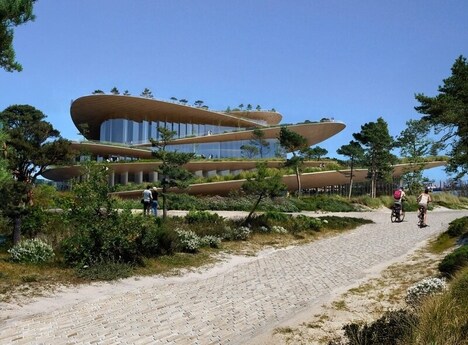
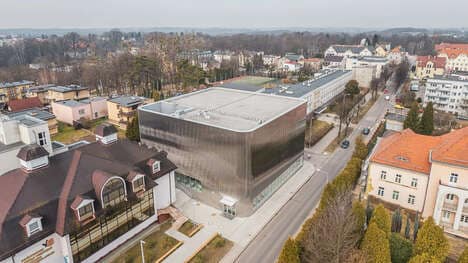
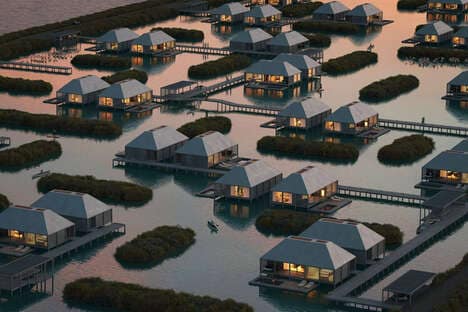
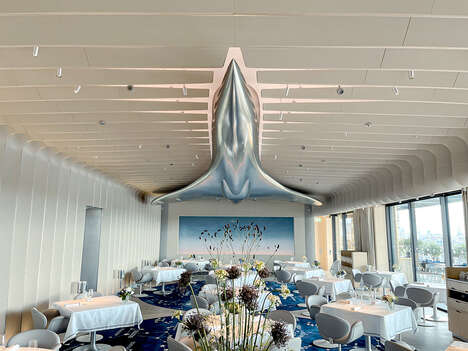
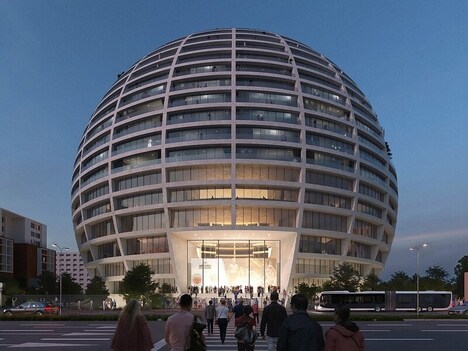
Wouldn’t it be nice to have a place to stay like 'Counterpoint' by Schmidt Hammer Lasses Architects. This design is like a mini town outfitted with a hotel, concert hall, shopping mall, and congress place all in one convenient area.
‘Counterpoint’ is a plan designed by the architects of Schmidt Hammer Lasses for Malmo, Sweden. There was a competition for the best design and the people at Schmidt Hammer Lasses won. ‘Counterpoint’ by Schmidt Hammer Lasses will be a big, colourful hotel that will have a street inside the hotel that connects everything together.
What's Driving This Trend
- Mixed-use Complexes
- The trend of building mixed-use complexes with hotels, concert halls, shopping malls, and convention centers offers opportunities for disruptive innovation in urban design and hospitality management.
- Vertical Integration
- Vertical integration in the hospitality and real estate industries allows for the creation of self-sustaining mini cities with a range of amenities, providing opportunities for disruptive innovation in sustainable design, energy management, and community building.
- One-stop Destinations
- The trend of creating one-stop destinations that combine accommodations, entertainment, shopping, and business facilities offers opportunities for disruptive innovation in customer experience design and service integration.
Who This Affects Most
- Hospitality Management
- The hospitality management industry can benefit from the trend of building mixed-use complexes and one-stop destinations by expanding their services and entering new markets.
- Real Estate Development
- The real estate development industry can benefit from the trend of vertical integration by creating self-sustaining mini cities that offer a variety of amenities and services to residents and visitors alike.
- Urban Design
- The urban design industry can benefit from the trend of building mixed-use complexes and one-stop destinations by creating innovative, sustainable, and engaging spaces that meet the needs and expectations of diverse populations.