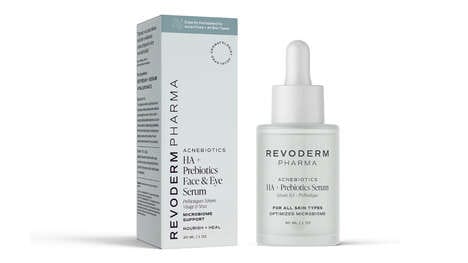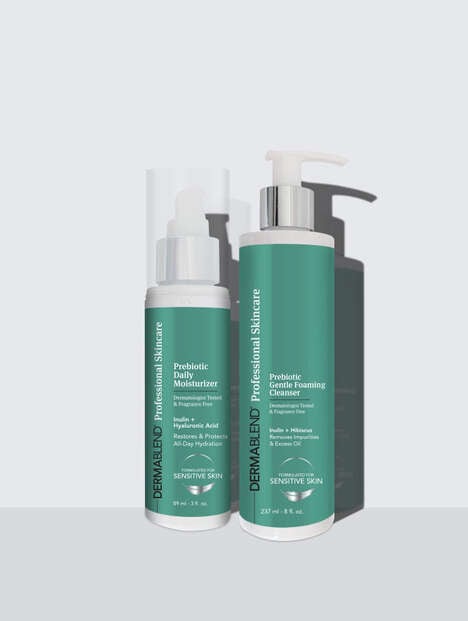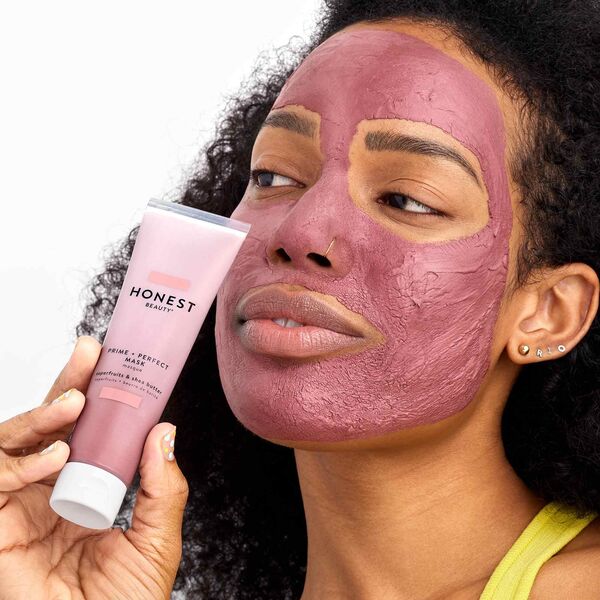
The category of skincare and cosmetics evolves with the introduction of a new cosmeceutical ingredient by Sabinsa. It is called LactoSporin®. Derived from a non-living microbial cell product — which is also known as a postbiotic — the ingredient is proven to have highly desirable properties. It is antimicrobial, antioxidant, anti-collagenase, as well as anti-inflammatory. In addition, it has the potential to protect skin from irritators like UV radiation and environmental pollutants. In addition, the new cosmeceutical ingredient is said to be anti-aging, to induce hair growth and to prevent "microbial biofilm formation."
It becomes evident here that Sabinsa's LactoSporin® is an incredibly promising addition to the industry. The ingredient is the result of a patented process — Bacillus Ferment Filtrate Extract, which takes a probiotic strain's culture supernatant and purifies it.
Key Themes Behind This Trend
- Postbiotic Skincare
- The introduction of Sabinsa's LactoSporin® showcases the trend of using postbiotic ingredients in skincare, providing antimicrobial, antioxidant, and anti-inflammatory properties.
- Anti-aging Cosmeceuticals
- Sabinsa's LactoSporin® presents an opportunity for the development of innovative anti-aging products that protect the skin from irritators and induce hair growth.
- Biofilm Prevention in Cosmetics
- The anti-microbial properties of LactoSporin® offer potential for creating groundbreaking products that prevent microbial biofilm formation in cosmetics.
Where This Applies
- Skincare
- The skincare industry can capitalize on the trend of using postbiotic ingredients like LactoSporin® to create innovative, protective, and anti-aging products.
- Cosmetics
- Cosmetics companies have an opportunity to leverage the anti-inflammatory and antimicrobial properties of LactoSporin® for the development of new, biofilm-resistant products.
- Haircare
- Haircare brands can explore the potential of LactoSporin® to stimulate hair growth and offer additional benefits like protection against UV radiation and environmental pollutants.