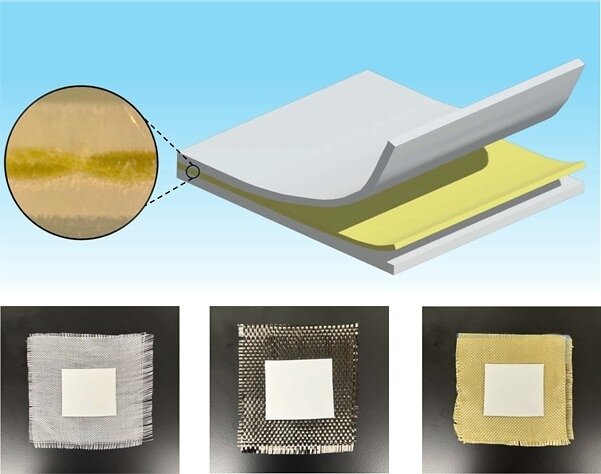
A study published in the IEEE Journal of Selected Topics in Quantum Electronics has evaluated passive daytime radiative cooling fabrics applied to woven fabrics. The findings demonstrate that silicone-based coatings containing zirconium oxide nanoparticles can be effectively deposited on glass fiber, carbon fiber, and Kevlar textiles to achieve high solar reflectance between 92.8% and 96.5% and infrared emissivity between 95.3% and 96.3%.
In the study, the coated cooling fabrics outperformed uncoated materials and commercial cotton in thermal management, with the glass fiber variant maintaining an average temperature 8.3 degrees Celsius lower than cotton under direct sunlight. The coatings retained their optical performance after exposure to flame and repeated washing cycles while preserving breathability and water resistance.
The research specifically addressed the limitations of previous passive cooling fabrics, which were typically designed for near-ambient conditions and tended to degrade under mechanical stress or extreme heat.
Image Credit: IEEE Journal of Selected Topics in Quantum Electronics
What Makes This Trend Stand Out
- Radiative Cooling Textiles
- Passive fabrics with high solar reflectance and infrared emissivity create new possibilities for non-electric thermal regulation in apparel, shelters, and outdoor equipment.
- Nanoparticle Coated Materials
- Silicone coatings enhanced with zirconium oxide nanoparticles signal a shift toward durable surface engineering that improves performance without altering core textile structures.
- Heat-resilient Wearables
- Protective fabrics that retain cooling, breathability, and water resistance after washing and flame exposure expand the potential for advanced gear in extreme environments.
Sectors Adopting This
- Performance Apparel
- Athletic and workwear brands can differentiate products through passive cooling fabrics that reduce heat stress while maintaining comfort and durability.
- Construction Materials
- Building envelopes, shade systems, and exterior textiles gain value from radiative cooling coatings that lower surface temperatures without added energy consumption.
- Defense and Safety
- Military, firefighting, and industrial safety applications benefit from textiles engineered to withstand heat and mechanical stress while supporting thermal protection.