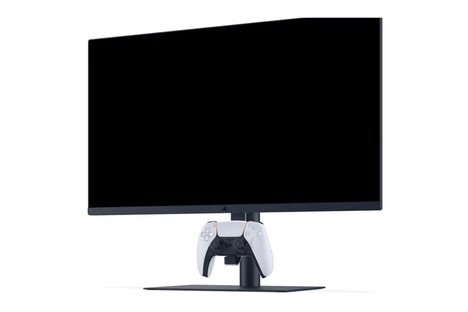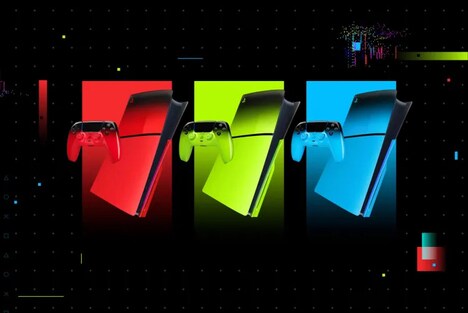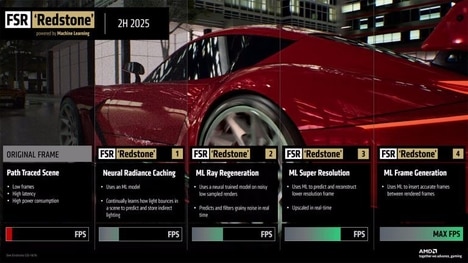
Sony is bringing AI-guided graphics enhancement to the standard PlayStation 5 with Quick Spectral Super Resolution (QSSR), a streamlined version of the PSSR technology available on PS5 Pro. Developed through Project Amethyst with AMD, QSSR uses a streamlined neural network and performance-tuned implementation to upscale game images while improving pixel-level detail and visual stability. Marvel’s Wolverine and Ghost of Yōtei are among the first games receiving QSSR support.
The technology allows Sony to improve visual performance on existing PS5 hardware without requiring players to purchase a more powerful console. For developers, broadly available QSSR provides another graphics option that can enhance titles while working within standard PS5 processing constraints. For Sony, extending AI-based graphics features across its larger console ecosystem can increase the value of existing hardware while encouraging more studios to adopt PlayStation’s graphics technologies.
Image Credit: Playstation
What's Driving This Trend
- AI-upscaled Console Visuals
- Neural rendering tools are extending premium image quality to mainstream gaming hardware, creating new differentiation around software-driven performance instead of frequent device upgrades.
- Hardware-life Extension
- Platform owners are using AI optimization to keep existing consoles competitive for longer periods, opening value in post-purchase enhancements and ecosystem retention.
- Developer-friendly Graphics Middleware
- Standardized AI graphics features are becoming accessible across larger install bases, giving studios more scalable ways to balance fidelity, stability, and performance.
Who This Affects Most
- Video Game Consoles
- Console makers can deepen platform loyalty by delivering visible performance improvements through updates that increase the perceived value of installed hardware.
- Game Development
- Studios gain new creative and technical flexibility as AI-assisted upscaling reduces tradeoffs between visual ambition and processing limits on widely owned devices.
- Semiconductors
- Chip partners are positioned to embed AI-optimized graphics capabilities into future gaming architectures, strengthening the link between hardware design and adaptive rendering software.