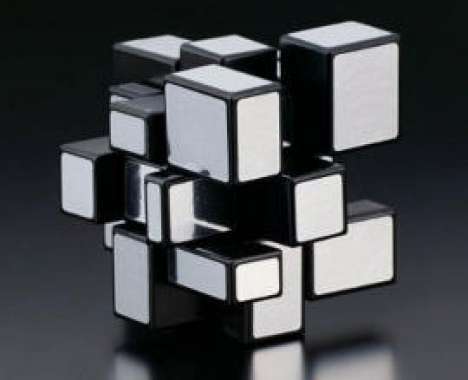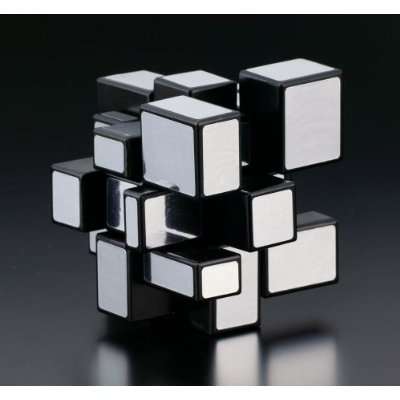

So instead of memorizing numbers and letters, I will have to memorize color sequences? Say what? That's what designer Cheng-Li Hung has in mind when he designed the Rubik's cube as a security devise.
The color combinations are immense and you can even customize the little windows on the cubes with tiny pictures. Furthermore, the cube can be set up to add a time constraint to prevent trespassers from just parking their butts on your couch (with a six pack) to try and guess the color combination to your PC while playing with a Rubik's cube. Now whenever you need to identify yourself to access your computer, instead of typing the usual text on the keyboard, you will instead need to solve the cube's pre-programmed color scheme and presto!
How is that easier than numbers and letters? I would love to read some opinions.
Why This Trend Is Growing
- Color-based Security
- Disruptive innovation opportunity: Develop new security systems that utilize color-based authentication instead of traditional numbers or letters.
- Customizable Authentication
- Disruptive innovation opportunity: Create customizable authentication methods, such as personalized color combinations or images on security devices.
- Gamified Authentication
- Disruptive innovation opportunity: Explore the gamification of authentication processes, like using puzzle-solving, such as Rubik's Cube, to access electronic devices.
Industries Being Reshaped
- Cybersecurity
- Disruptive innovation opportunity: Develop color-based authentication systems to enhance cybersecurity measures and protect sensitive data.
- Consumer Electronics
- Disruptive innovation opportunity: Integrate color-based authentication methods into consumer electronic devices, such as smartphones, tablets, and laptops.
- Gaming
- Disruptive innovation opportunity: Combine gaming elements with authentication processes to create unique and engaging user experiences.