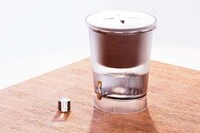
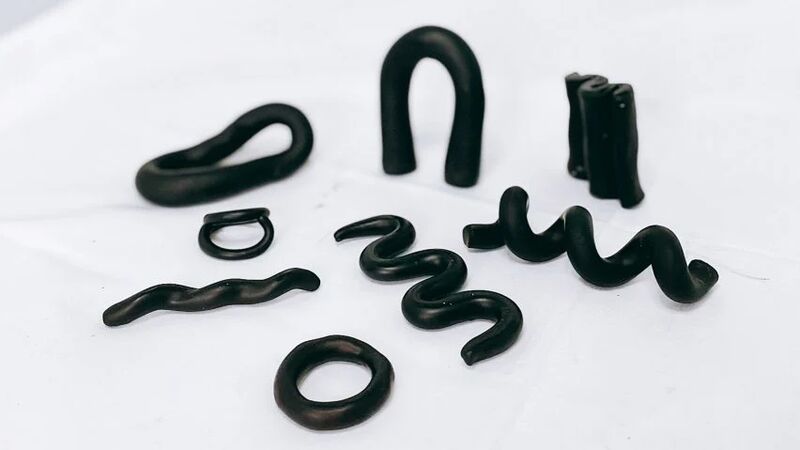
Graduate students Charles Bohning and Mary Lempres designed a collection of carbon compostable water filters. The students from Pratt Institute made the collection without any use of fossil fuels. Each filter is made from food waste, making it a sustainable design.
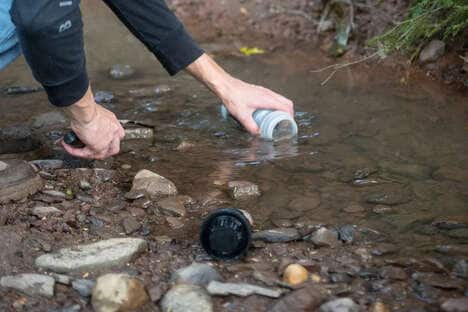
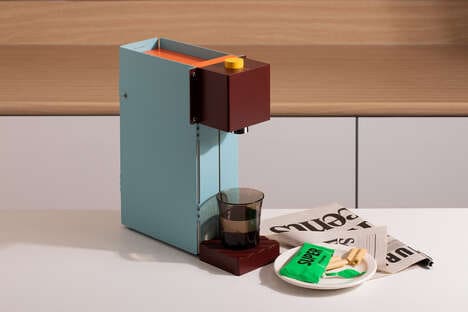
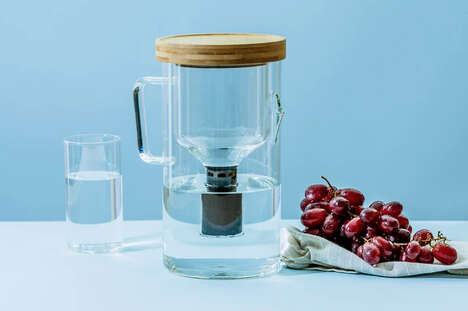
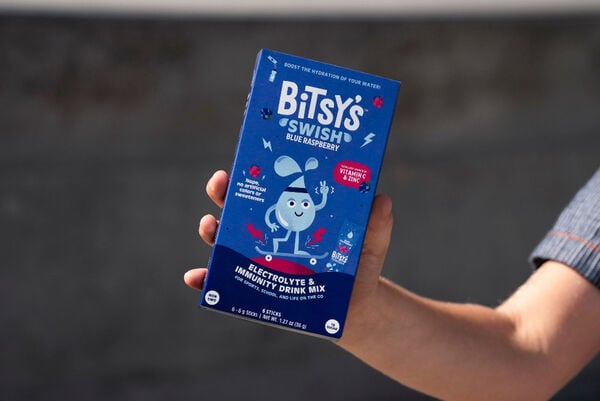
The range dubbed Strøm includes four pieces. Bohning and Lempres' collection features a sustainable substitute for Brita filter cartridges and purifying sticks that users can add to cups or bottles for a clean drinking experience. It also includes a self-cleaning pitcher and a carafe. All items in the collection are compostable for a sustainable disposal process. The team formulated pyrolysis and biochar components from food waste to ensure a safe decomposition of its products in landfills.
Image Credit: Bohning / Lempres
Key Themes Behind This Trend
- Compostable Filters
- The trend of producing compostable filters made from food waste offers disruptive innovation opportunities in sustainable and eco-friendly consumer products.
- Sustainability in Design
- The trend of incorporating sustainability into consumer products design offers disruptive innovation opportunities and can lead to increased consumer demand for eco-friendly products.
- Circular Economy Solutions
- The trend of designing products that can be composted instead of discarded offers disruptive innovation opportunities for circular economy business models in the consumer products industry.
Where This Applies
- Consumer Products
- Consumer products companies have the opportunity to invest in and develop compostable filter technology and sustainable design to tap into the growing demand for eco-friendly products.
- Waste Management and Recycling
- Waste management and recycling companies can integrate compostable filters into their waste processing systems to promote circular economy and reduce landfill waste.
- Education and Research
- Educational institutions and research organizations can further develop compostable filter technology and sustainable design to foster innovation and address environmental concerns.