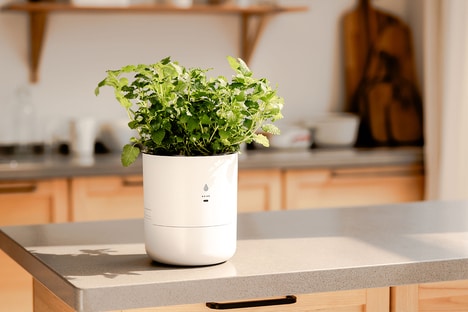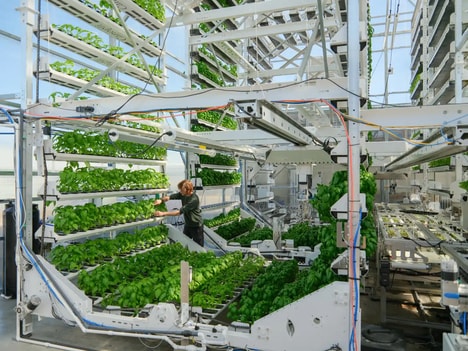
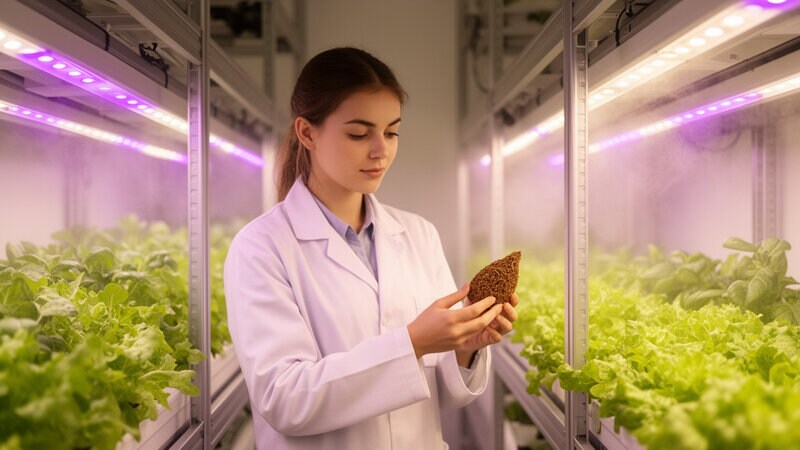
Anu is using a $500,000 Phase IIB National Science Foundation grant to build multi-cavity tooling for its Plug-and-Grow Seed Pods, giving indoor farm operators and healthcare growers a standardized plant start. The Evansville, Indiana company makes compostable pods that hold seeds and nutrients in one shelf-stable unit and activate when water reaches the planting port.
The pods fit Anu systems and other hydroponic equipment through Open Garden Upgrade, so clinics, schools and home growers can run crops without a dedicated farm specialist. Production is planned at Goodwill of Central & Southern Indiana, and the grant also covers nutrition testing for Anu's Pure Produce grown near the point of consumption.
Open Garden Upgrade compatibility turns a branded consumable into a cross-platform input, widening Anu's reach beyond its own hardware. Multi-cavity tooling also makes the labor-saving pitch more useful for Food is Medicine buyers that need repeatable output.
Image Credit: Anu
Key Themes Behind This Trend
- Compostable Plant Inputs
- Shelf-stable seed-and-nutrient pods point to lower-waste cultivation models where consumables become easier to distribute, store, and dispose of across decentralized growing environments.
- Cross-platform Hydroponics
- Open compatibility expands indoor farming ecosystems by allowing branded consumables to function across multiple hardware systems, reducing lock-in for growers and institutions.
- Point-of-care Produce
- Healthcare-based growing programs gain consistency when standardized plant starts support repeatable nutrition output near patients and clinical food programs.
Where This Applies
- Indoor Farming
- Standardized plug-and-grow formats create new efficiency potential for operators seeking simplified crop starts and reduced dependence on specialized labor.
- Healthcare Nutrition
- Food is Medicine programs can benefit from controlled, local produce systems that connect nutrition testing, repeatable cultivation, and institutional procurement needs.
- Sustainable Packaging
- Compostable pod formats blur the line between packaging and agricultural input, opening material innovation pathways for functional, biodegradable consumables.