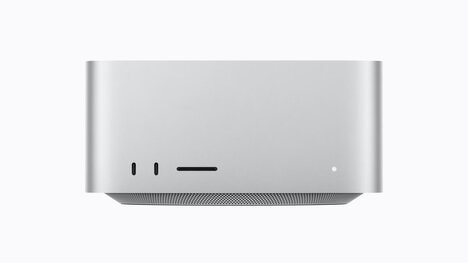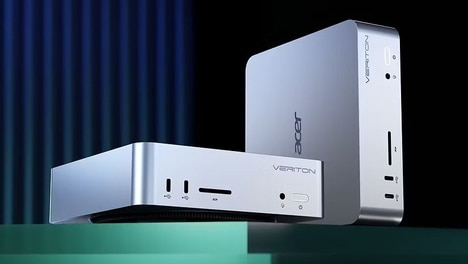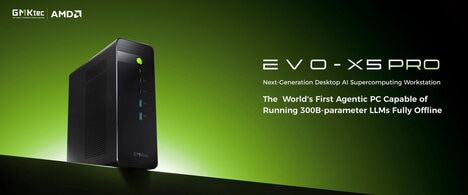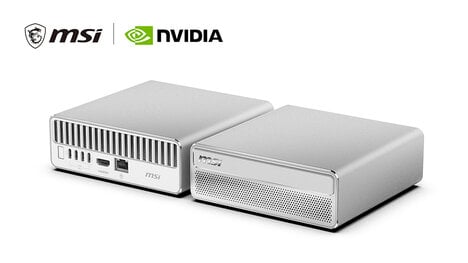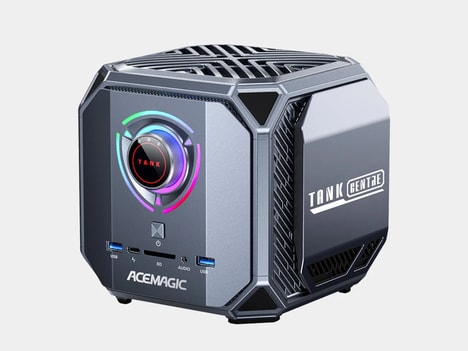

HomeAI Max+ turns a small desktop box into a private AI workstation, pairing a Ryzen AI Max+ 395 processor with 126 TOPS of performance for local model work. HomeAI built it for users who want to run Qwen 27B, GPT-OSS-120B, and similar models without moving to a full-size tower.
The machine adds a 6.5-inch AMOLED touchscreen and a 100Wh backup battery, so the system can stay readable and portable while it handles heavier jobs. It also includes a 4-slot NVMe storage setup that supports up to 16TB, giving users room for large models and project files without an external drive stack.
PC and NAS modes widen the box’s role beyond a single desktop rig, especially for people who want one unit to cover computing and shared storage. That flexibility makes compact AI hardware more practical for home labs and small setups that need power, expansion, and storage in one unit.
Image Credit: AI-generated
Why This Trend Is Growing
- Private AI Desktops
- Compact local workstations create room for sensitive model workloads to stay on-device while reducing reliance on cloud inference services.
- Hybrid Compute Storage
- All-in-one systems that combine AI processing with NAS-style storage introduce new possibilities for home labs and small teams managing large models.
- Portable High-performance AI
- Battery-backed desktop hardware with integrated displays expands the category between laptops and towers for flexible AI experimentation.
Industries Being Reshaped
- Personal Computing
- Desktop makers can differentiate through compact AI-first machines that prioritize local inference, expandability, and privacy.
- Data Storage
- Storage providers face opportunities around high-capacity NVMe architectures tailored to model libraries, datasets, and shared project environments.
- Artificial Intelligence
- AI software ecosystems may shift as more users gain access to powerful private hardware capable of running large models locally.