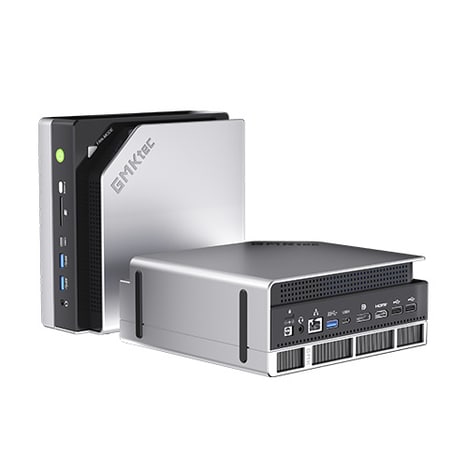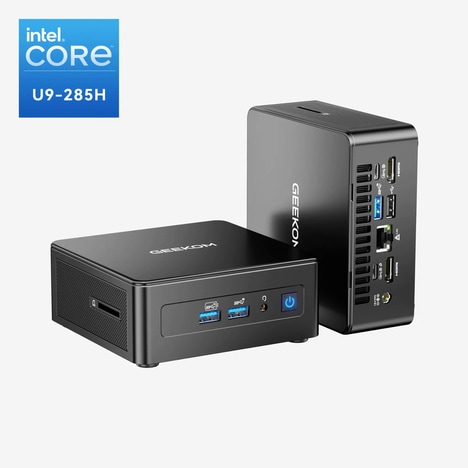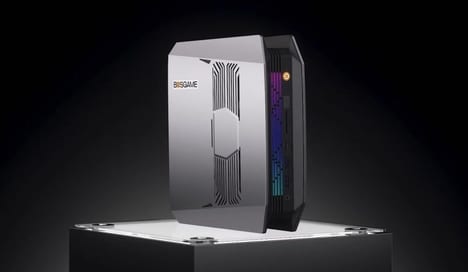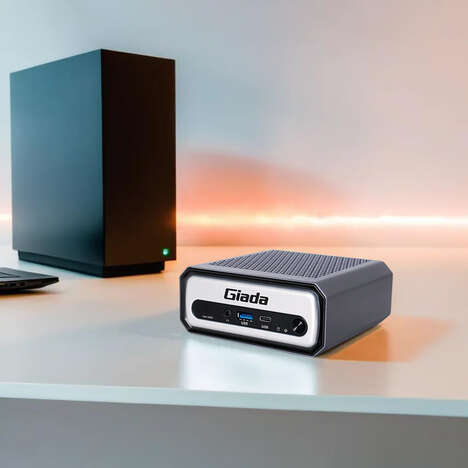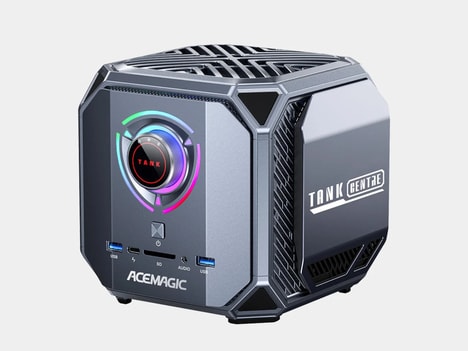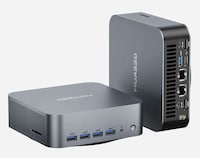

GEEKOM, a manufacturer recognized for its compact computing systems, is preparing to introduce a new AI mini computer model by the name of the A9 Mega. The company is positioning this device as a significant advancement in the category of miniature desktop computers, primarily due to its integration of a specialized processor, the AMD Ryzen™ AI Max+ PRO 395. This chip is noted for its substantial 120W thermal design power and is claimed to generate 126 TOPS (Trillion Operations Per Second), a metric indicating a high capacity for executing artificial intelligence tasks directly on the device rather than depending on remote cloud servers. The AI mini computer is is also configured with a considerable 128GB of high-speed RAM and dual storage slots designed for the latest solid-state drives.
Image Credit: GEEKOM
What's Driving This Trend
- AI Edge Computing
- The A9 Mega's ability to perform AI tasks locally signifies a shift towards edge computing, reducing latency and dependence on cloud infrastructure.
- Miniaturization of High-performance Computers
- The integration of an advanced AI processor into a compact form factor highlights the trend towards miniaturization without compromising on computational power.
- AI-specific Chip Development
- The deployment of the AMD Ryzen™ AI Max+ PRO 395 showcases innovations in AI-specific chips that can handle massive data processing on-device.
Who This Affects Most
- Consumer Electronics
- Manufacturers in the consumer electronics industry are increasingly focusing on compact and powerful devices that cater to AI and machine learning applications.
- Semiconductor Manufacturing
- The demand for specialized processors in mini computers opens new avenues for growth and differentiation in the semiconductor manufacturing sector.
- Cloud Services
- As on-device AI processing gains ground, cloud service providers may need to adapt by offering hybrid solutions that complement edge computing capabilities.