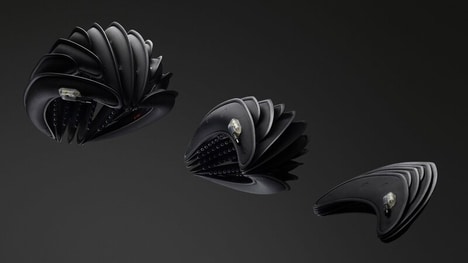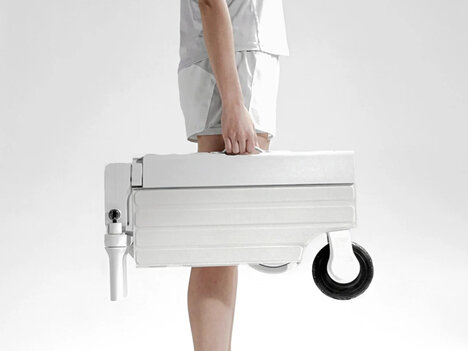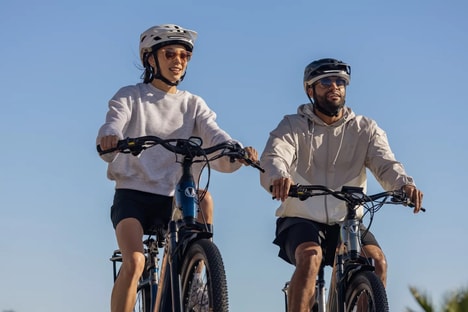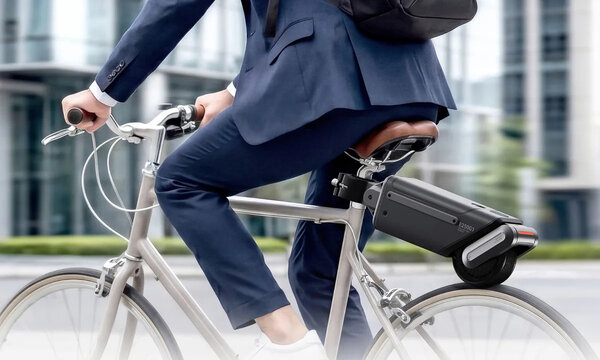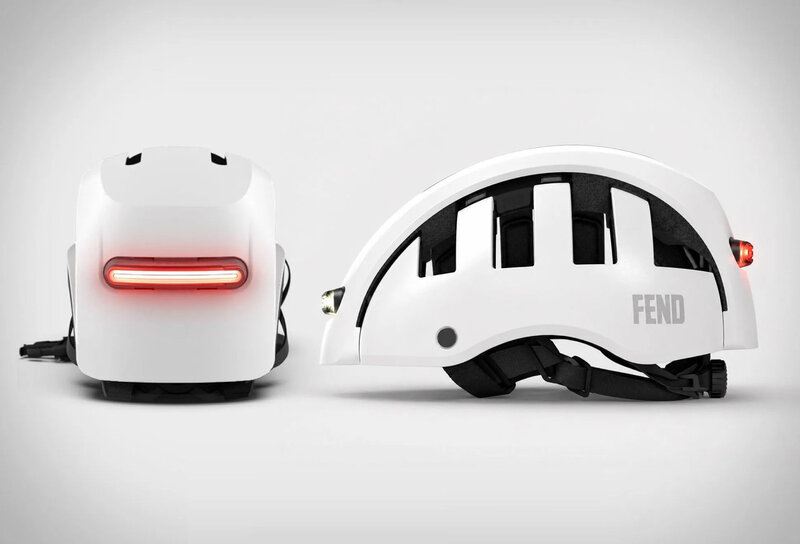
Fend's 'Super Plus Folding Bike Helmet' cuts post-ride bulk for commuters by folding to half its size, giving riders a helmet that slips into a backpack after locking up. It pairs that packable build with front and rear LED lights and meets U.S. and European safety standards for cycling, scooters, and skateboarding.
Its removable lights make the rider visible from all sides at up to 800 meters and run for up to 15 hours on USB-C charging. A fit dial and adjustable straps help riders secure the helmet, while the light units are built to handle wet commutes.
At $139, the Super Plus turns portability into a reason to upgrade instead of an afterthought. Folding to half its size and carrying its own lights broadens its appeal to riders who want one piece of safety gear for bikes, scooters, or skateboards.
Image Credit: Fend
What's Driving This Trend
- Foldable Safety Gear
- Compact protective equipment creates space for premium commuter accessories that remove storage friction without compromising certified safety.
- Integrated Visibility Wearables
- Built-in lighting within everyday mobility gear signals growth for multifunctional products that combine protection, convenience, and all-weather visibility.
- Multi-modal Commuter Equipment
- Safety products designed for bikes, scooters, and skateboards reflect rising demand for adaptable gear across blended urban transportation habits.
Who This Affects Most
- Urban Mobility
- Portable helmet designs support emerging micromobility ecosystems where convenience and safety influence adoption among daily commuters.
- Sports Equipment
- Premium protective gear with embedded electronics expands the performance category beyond impact protection into connected utility and lifestyle appeal.
- Consumer Electronics
- Rechargeable, removable light modules introduce opportunities for modular electronics to become standard features in wearable safety products.