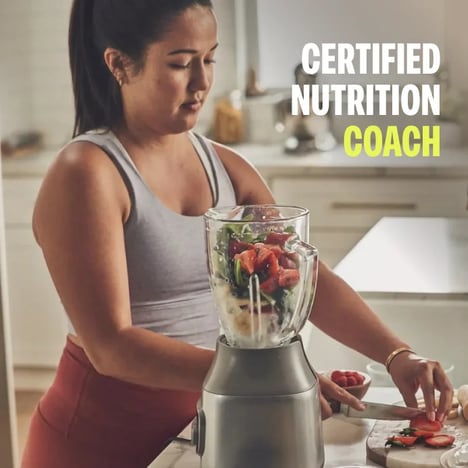
ACLM is expanding physician nutrition training with a turnkey four-year medical school curriculum and a third edition of its 'Food as Medicine' online course, providing medical schools and clinicians with options aligned with new federal and state education requirements. The 'Lifestyle Medicine Medical School Curriculum' places nutrition within a longer, degree-wide track rather than limiting it to a few lectures.
The curriculum includes 40 hours of nutrition instruction, helping schools prepare for guidance that takes effect in Fall 2026. The online course offers 2.75 continuing education credits. Access runs through Sept. 14, 2029, giving practicing clinicians time to incorporate the training into licensure planning.
The 40-hour structure turns a policy requirement into a ready-to-use package for schools that do not want to build content from scratch. The shorter course extends the same evidence-based approach to nurses, dietitians, and other care teams, moving nutrition education closer to day-to-day chronic disease care.
Image Credit: American College of Lifestyle Medicine
What Makes This Trend Stand Out
- Embedded Nutrition Training
- Medical education is shifting from isolated nutrition lectures toward longitudinal curricula, creating space for scalable content platforms that standardize food-as-medicine competencies across degree programs.
- Policy-ready Curriculum Kits
- Turnkey academic tracks aligned with emerging requirements are reducing implementation friction for institutions, opening opportunities for packaged compliance tools that blend accreditation support with clinical skill development.
- Continuing Food-as-medicine Education
- Clinicians across disciplines are gaining access to shorter nutrition modules, suggesting a growing market for flexible credentialing products tied to chronic disease prevention and care team workflows.
Sectors Adopting This
- Medical Education
- Schools facing new nutrition mandates may increasingly rely on prebuilt, evidence-based programs that modernize physician training without requiring extensive internal curriculum design.
- Digital Health Learning
- Online continuing education providers can expand by combining nutrition science, licensure planning, and interprofessional access into platforms that fit ongoing clinical practice needs.
- Preventive Healthcare
- Nutrition-centered training reinforces a broader movement toward lifestyle-based chronic disease management, creating demand for care models that connect education, counseling, and measurable patient outcomes.