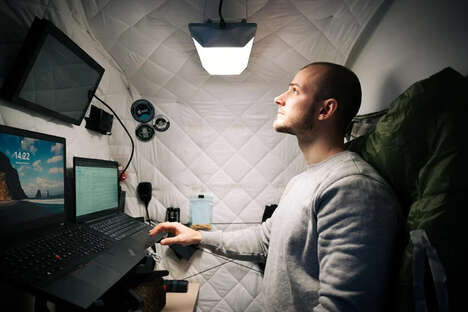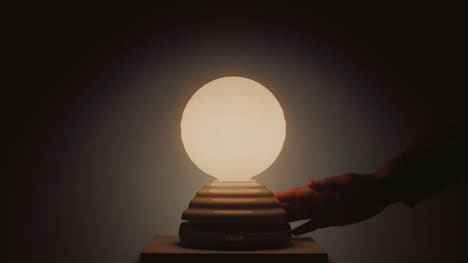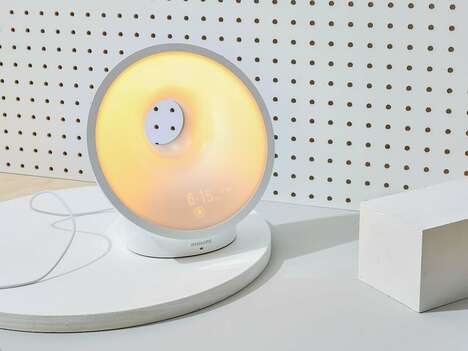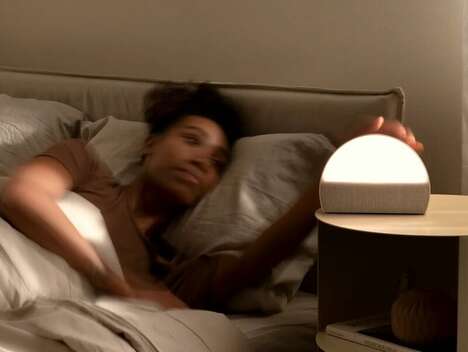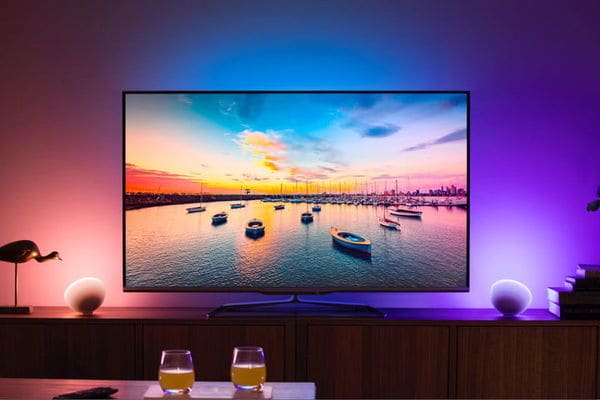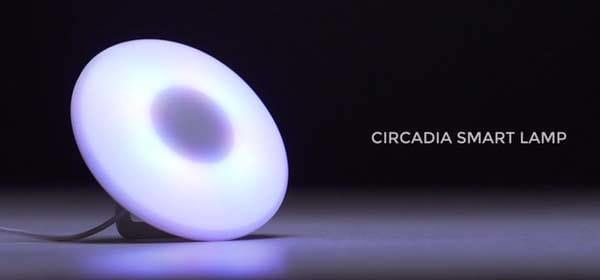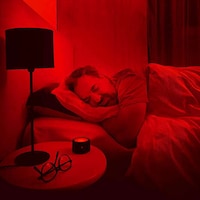
Our exposure to light during the day cues our internal clock and helps us maintain our health, which is why the team of researchers behind the Circadia Light, aim to channel the power of light, to help users get a better nights rest. Inspired by NASA technology, this sleep system uses a personalized light display to enhance the users ability to fall asleep. The system analyzes your sleep patterns through the world's first contactless sleep tracker that models your body clock. The system analyzes your patterns and matches your natural internal clock, creating a personalized light display that glows the right hues, based on when your body needs them most.
The Circadia Light results in a boosted mood, improved cognitive ability, alertness, and a better night's rest.
Why This Trend Is Growing
- Personalized Light Therapy
- The Circadia Light uses personalized light displays based on sleep patterns to improve sleep and enhance overall well-being.
- Contactless Sleep Tracking
- The Circadia Light incorporates the world's first contactless sleep tracker to analyze sleep patterns and align them with natural body clocks.
- Nasa-inspired Sleep Technology
- The Circadia Light draws inspiration from NASA technology to leverage the power of light for better sleep, mood, cognition, and alertness.
Industries Being Reshaped
- Healthcare
- Personalized light therapy systems like the Circadia Light offer opportunities for disruptive innovation by improving sleep quality and overall well-being.
- Technology
- Contactless sleep tracking and NASA-inspired sleep technology present disruptive innovation opportunities for the technology industry by revolutionizing sleep improvement methods.
- Wellness
- Incorporating personalized light displays and contactless sleep tracking, the Circadia Light opens up disruptive innovation opportunities in the wellness industry by promoting better sleep and enhanced mood.